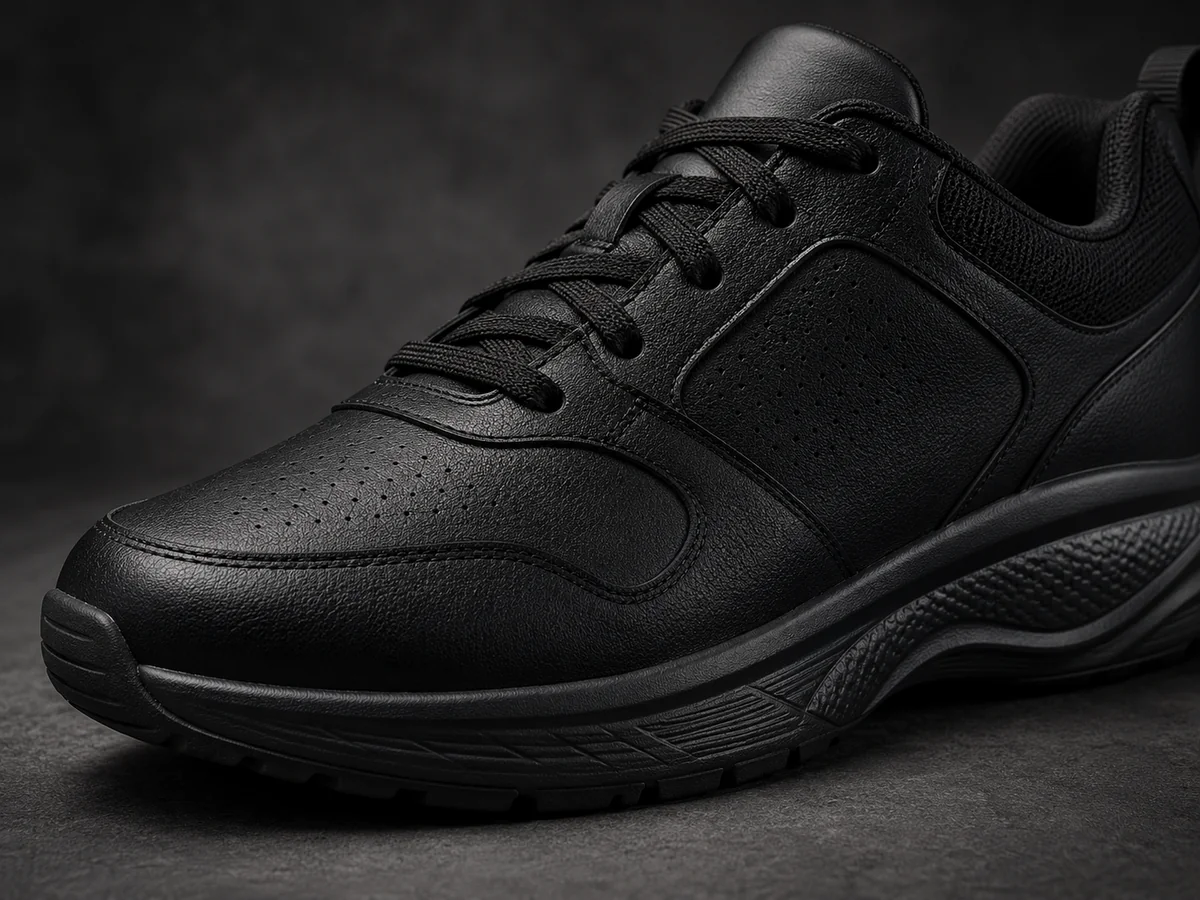
 01
01Vamp / flex zone
Repeated forefoot bending makes flex behavior, crease appearance and layer integrity central to the brief.
Footwear upper material development
A shoe upper is a moving assembly, not a flat material swatch.
ROYI develops synthetic leather constructions around component position, flex direction, forming process and buyer-defined validation.
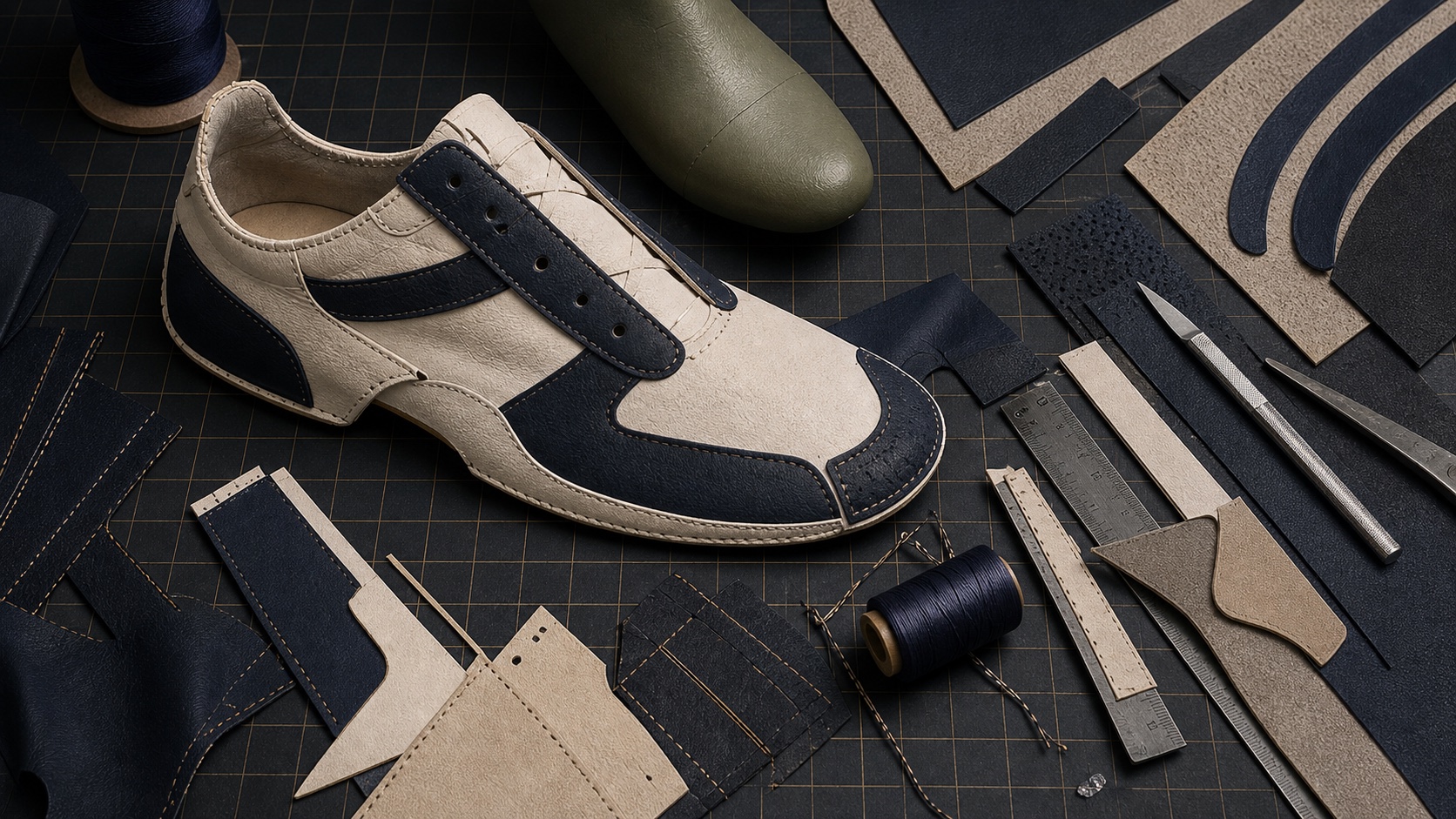
From roll to finished upper
Material behavior must be reviewed through the approved thickness, backing, seams, adhesive route and shoe last.
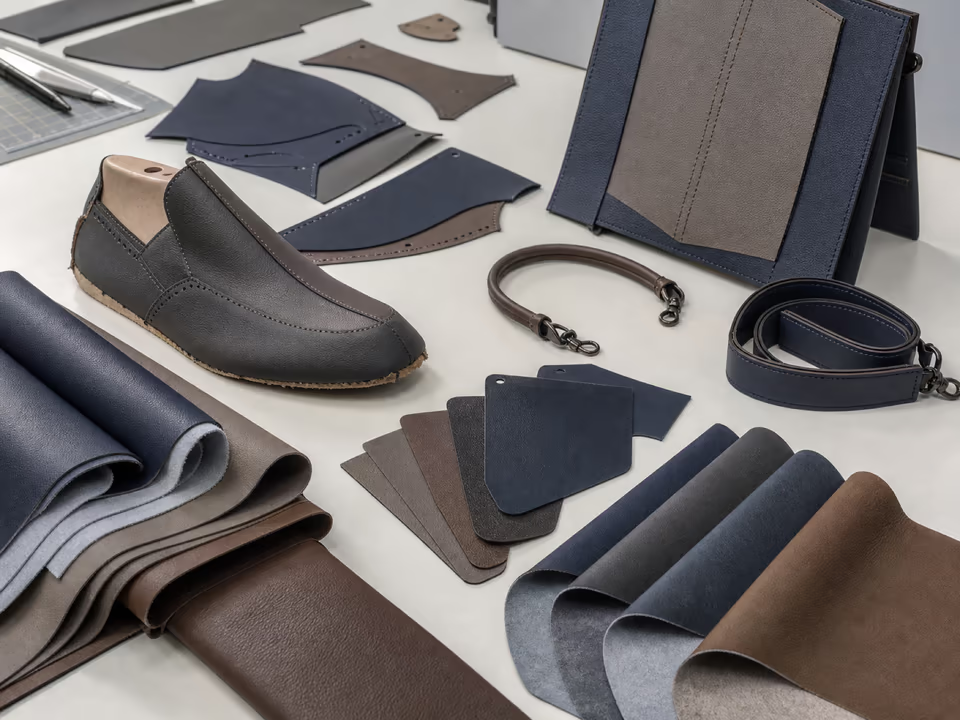
Confirm nesting, pattern direction, hole definition and cut-edge appearance.
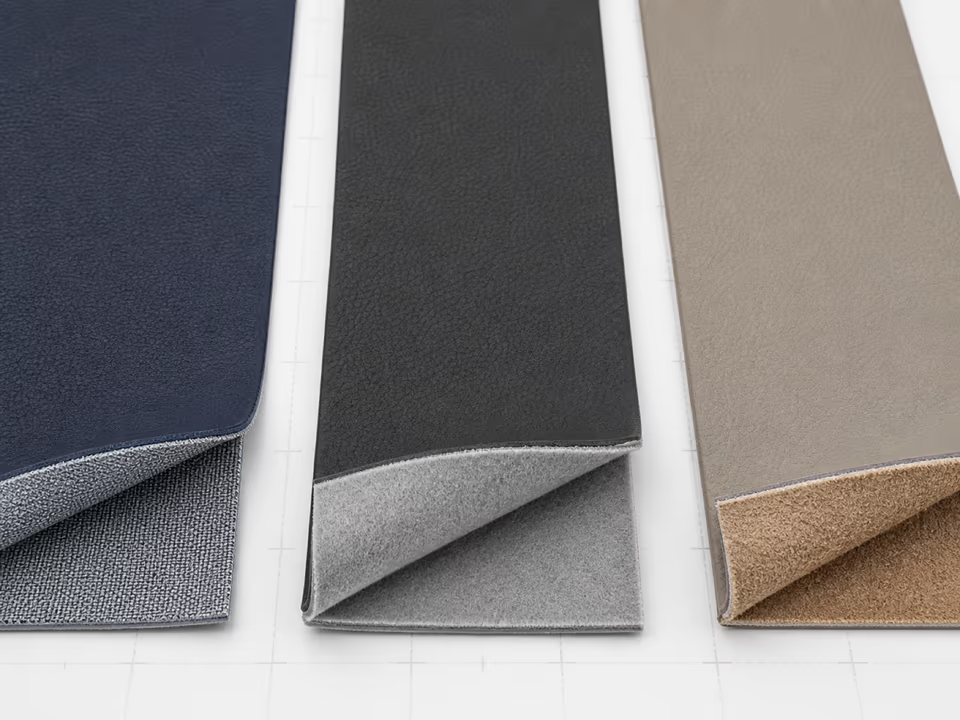
Check edge thinning, fold memory and backing stability on the approved construction.
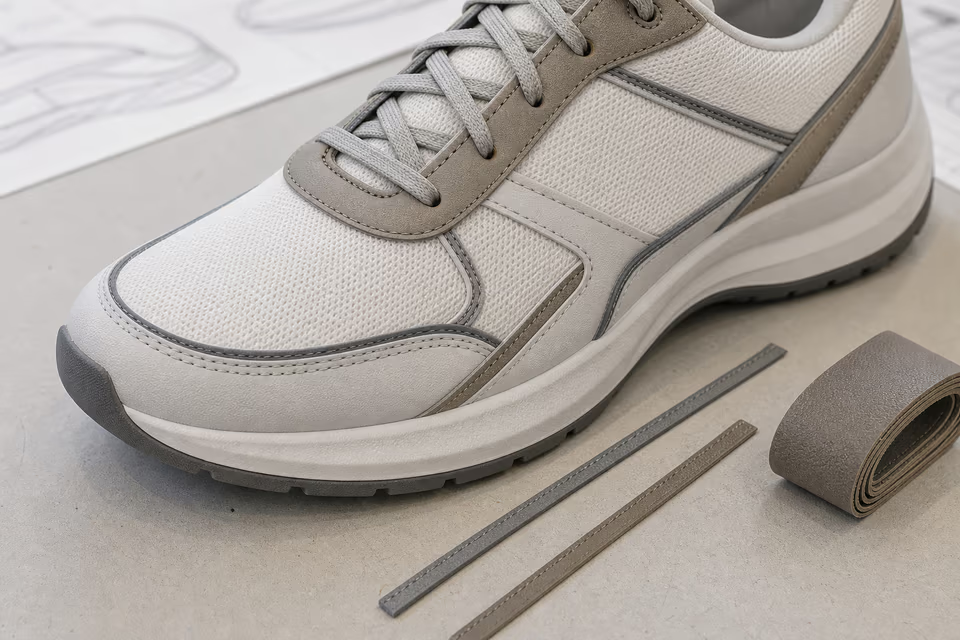
Confirm needle, thread, stitch density, seam direction and edge distance.
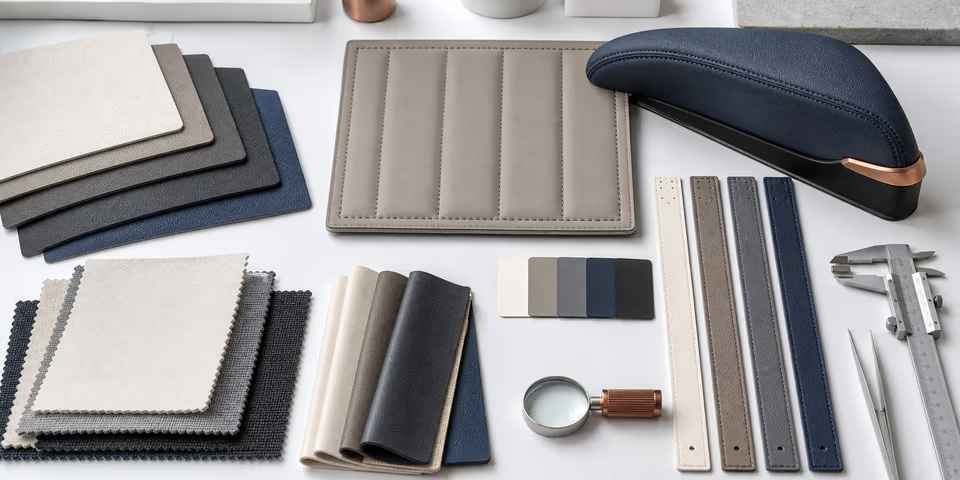
Evaluate the actual substrates, adhesive, primer, heat and pressure route.
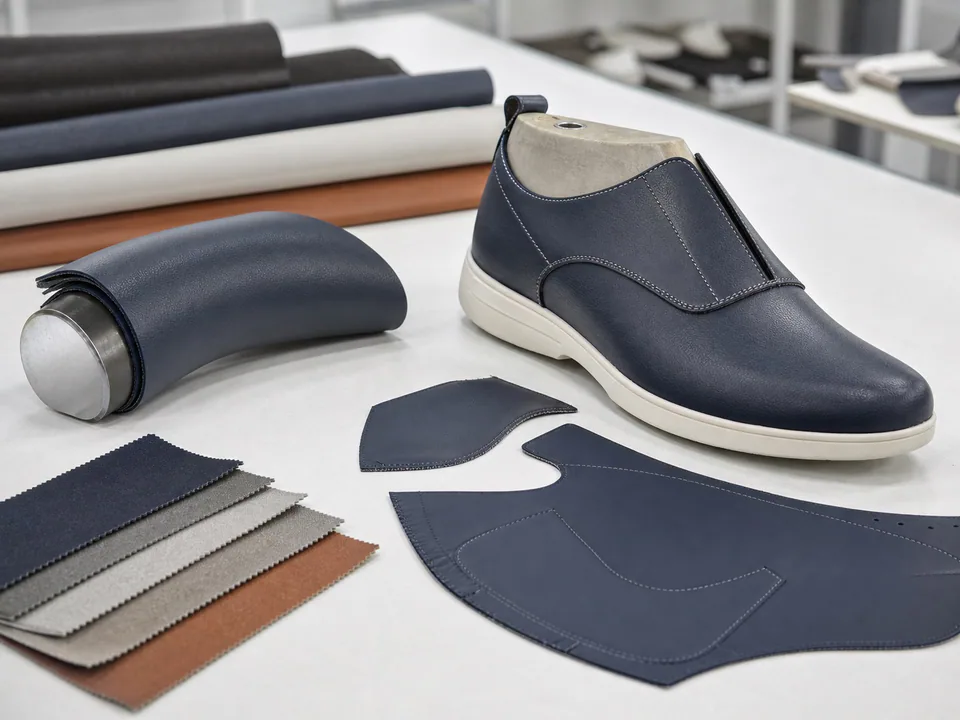
Review stretch, recovery, surface appearance and seams around the last.
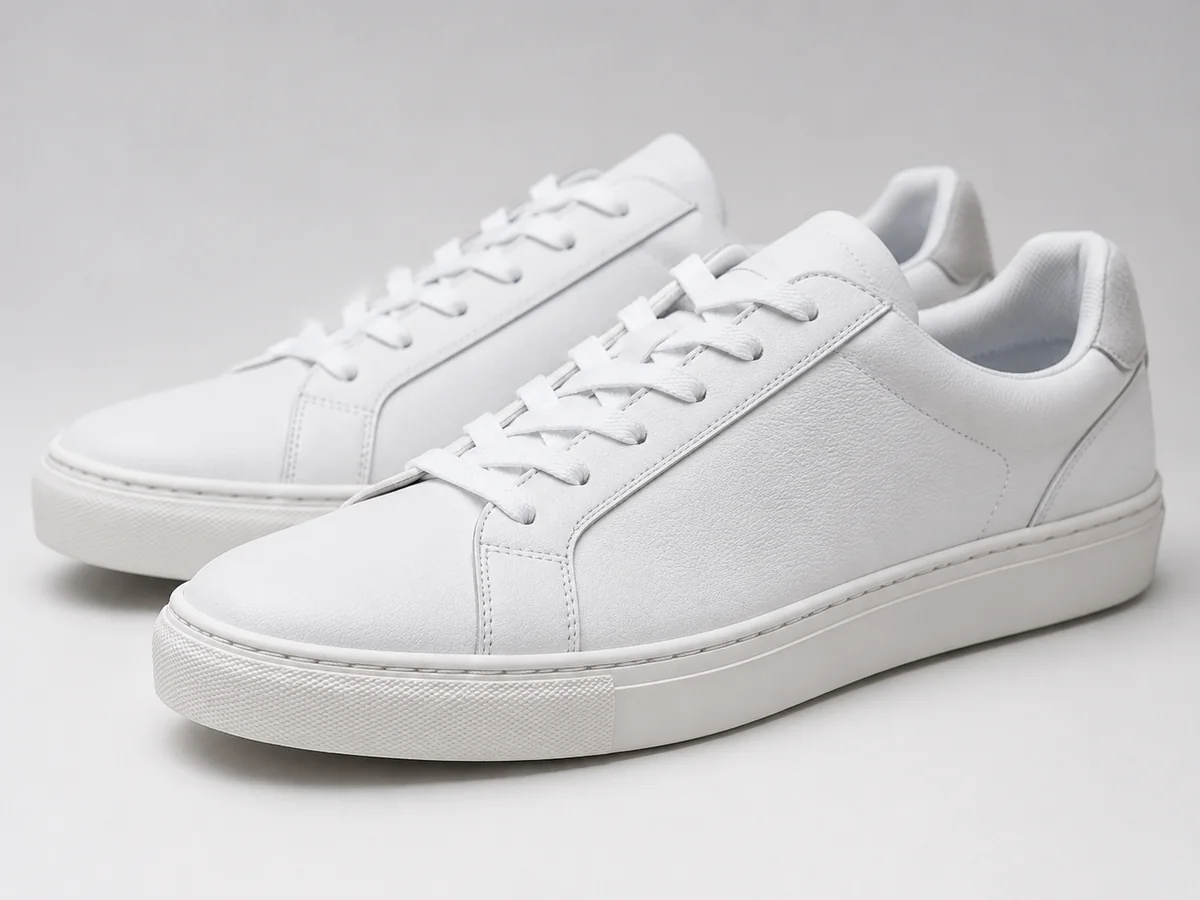
Check crease appearance, edges, color harmony, bonding and buyer requirements.
Connected component atlas
One shoe can require several constructions. Movement, reinforcement, edge treatment, stitching and bonding change the brief by zone.
01Repeated forefoot bending makes flex behavior, crease appearance and layer integrity central to the brief.
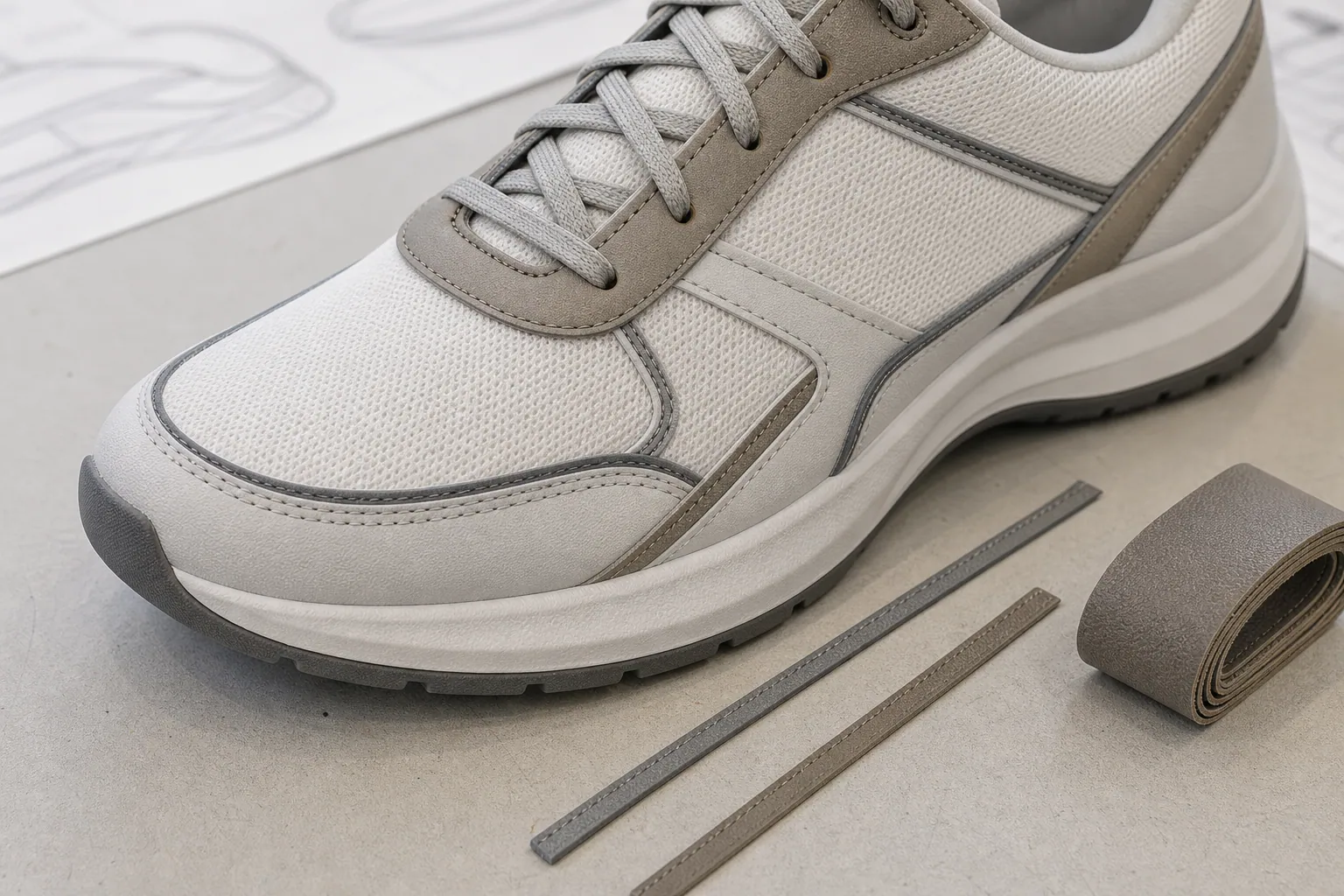
02Plan controlled body, clean forming, scuff evaluation and a stable edge around overlays or molded details.
 03
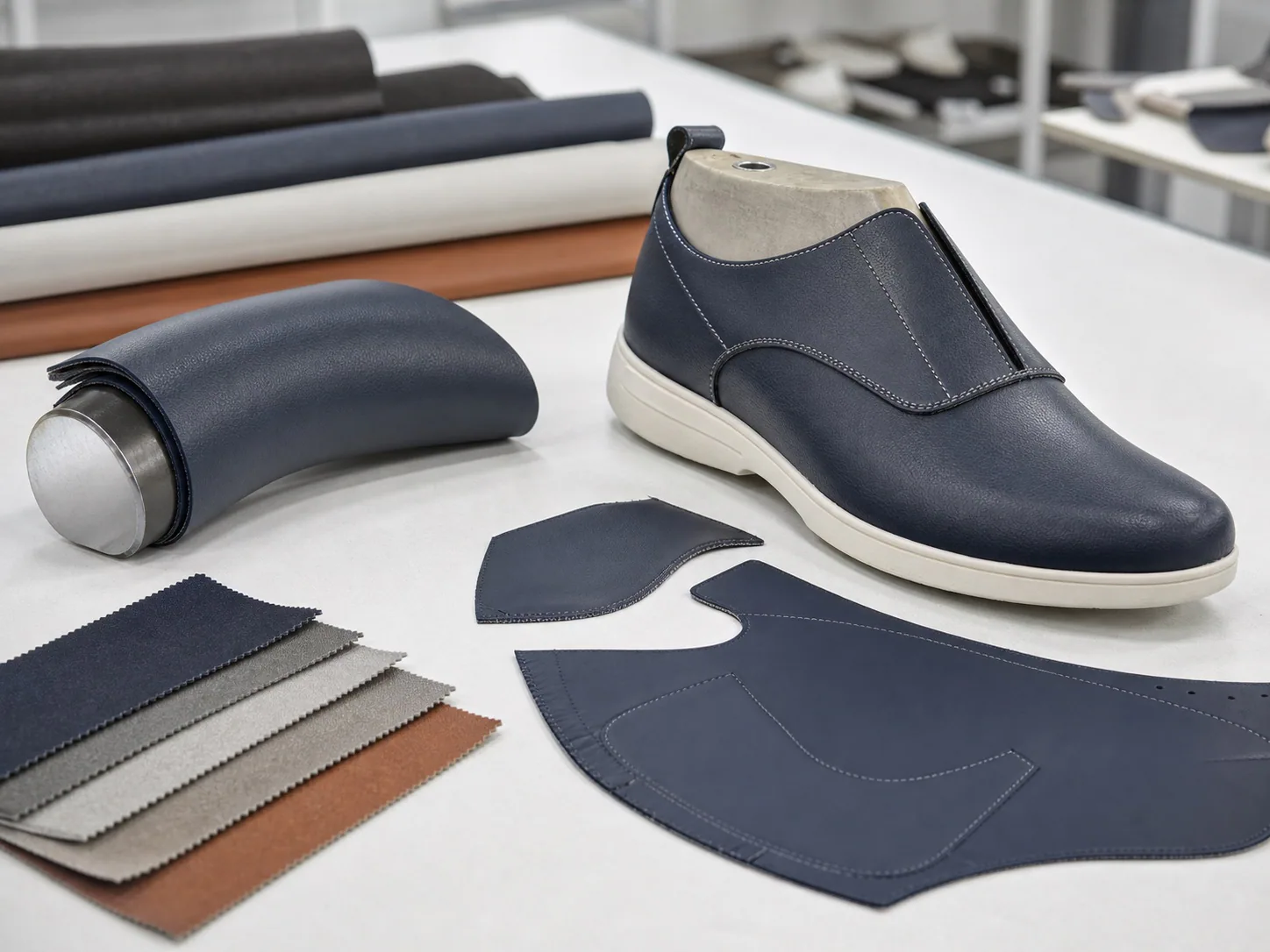
03Lace tension, punching and stitching make needle perforation and local reinforcement important.
 04
04Balance shape retention, lasting behavior, seam layout and the hand feel required by the design.
05Skin contact, folded edges, foam lamination and repeated opening influence softness and backing choice.
 06
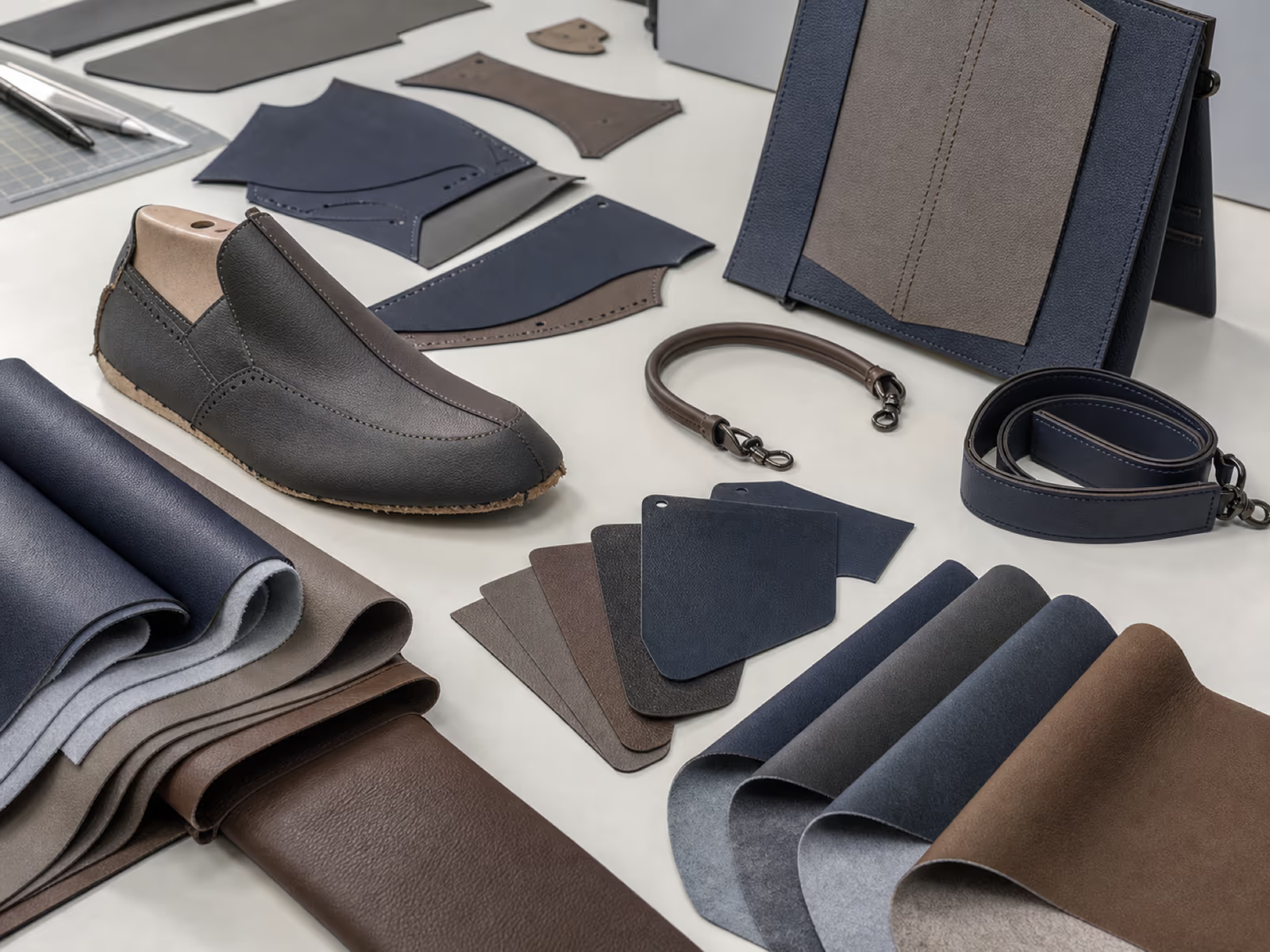
06Develop cut edges, perforation, print, embossing and bonding around the actual decorative panel.
Material routes
A broad development route for full uppers, panels and overlays, specified around hand feel, backing, forming and assembly.
View PU Leather & Microfiber PU
A route for selected casual or fashion components where repeatable thickness, surface variety and structured body matter.
View PVC Calendered Leather
A development direction for precision trim and overlays; the exact polymer, backing and thickness belong in the sample specification.
View Solvent-Free Synthetic LeatherConstruction starts under the surface
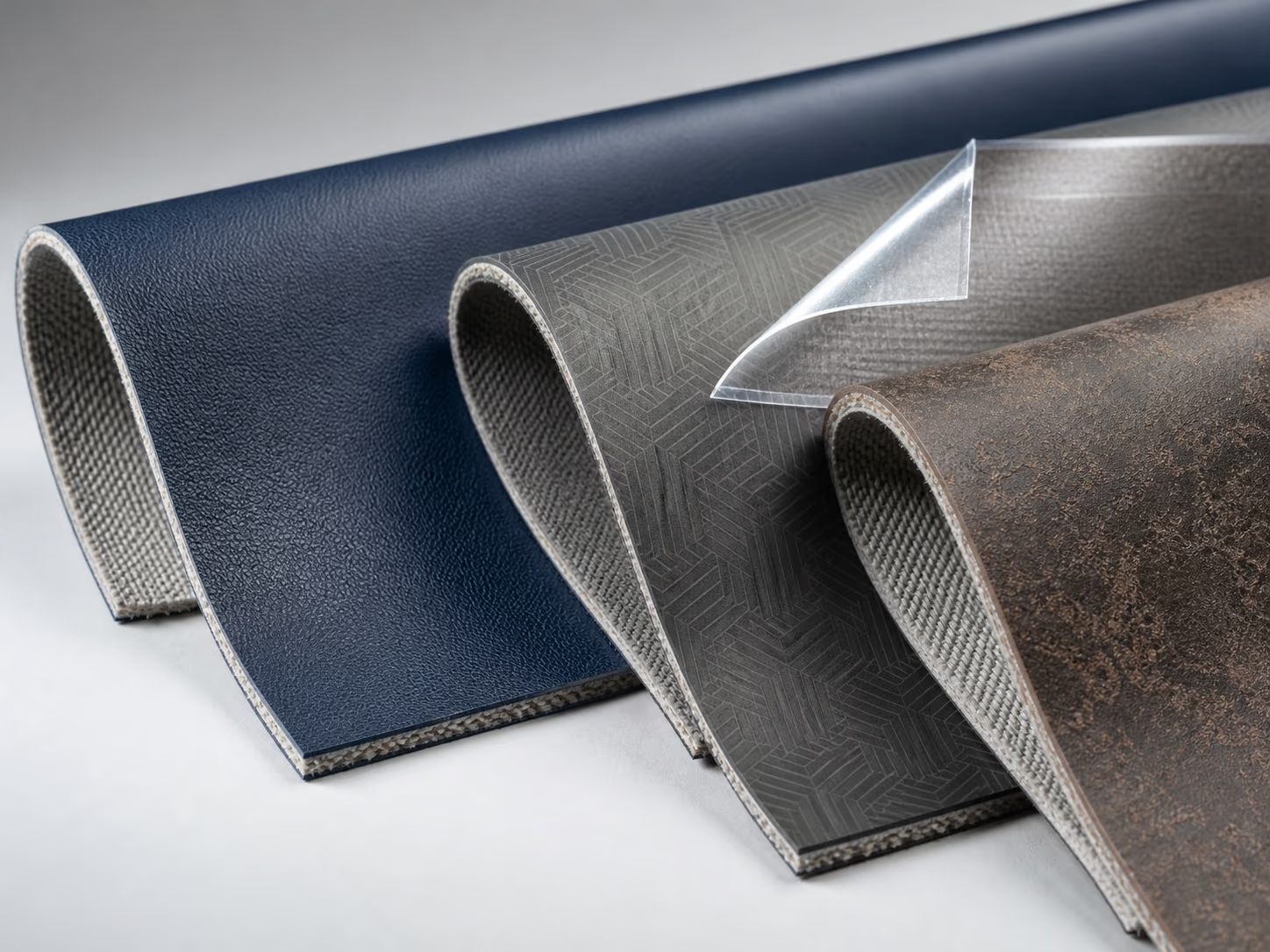
Define gloss, touch, color, grain and the surface response required by the approved part.
Backing influences stretch, dimensional stability, stitch support, skiving, folding and lasting behavior.
Cutting, seams, reinforcement, bonding and the last must be considered with the complete construction.
Approve the complete construction. Surface, backing, optional foam and bonding method should not be treated as independent visual choices.
Buyer-defined validation plan
ROYI does not claim one universal cycle count, strength value, waterproof rating or certification for every shoe upper material. Method, conditioning, specimen, construction, failure mode and acceptance target must be agreed before testing.
Confirm movement direction, temperature, cycles and appearance criteria.
Confirm needle, stitch, seam and delamination methods on the actual construction.
Define conditioning, duration and failure criteria when the project requires it.
Agree wet or dry method, load, endpoint and the upper component being assessed.
Set dry or wet rubbing, transfer and bleeding criteria for the approved color.
Evaluate adhesive, primer, substrate, pressure and heat using the real assembly route.
Review lasting, creases, edges, seams, color harmony and assembly appearance.
An upper-material result does not, by itself, prove finished-shoe performance. Seams, components, adhesives and assembly also affect the outcome.
Shoe upper development brief
Send the shoe type, upper component, making process, thickness, backing, finish reference and buyer test method.