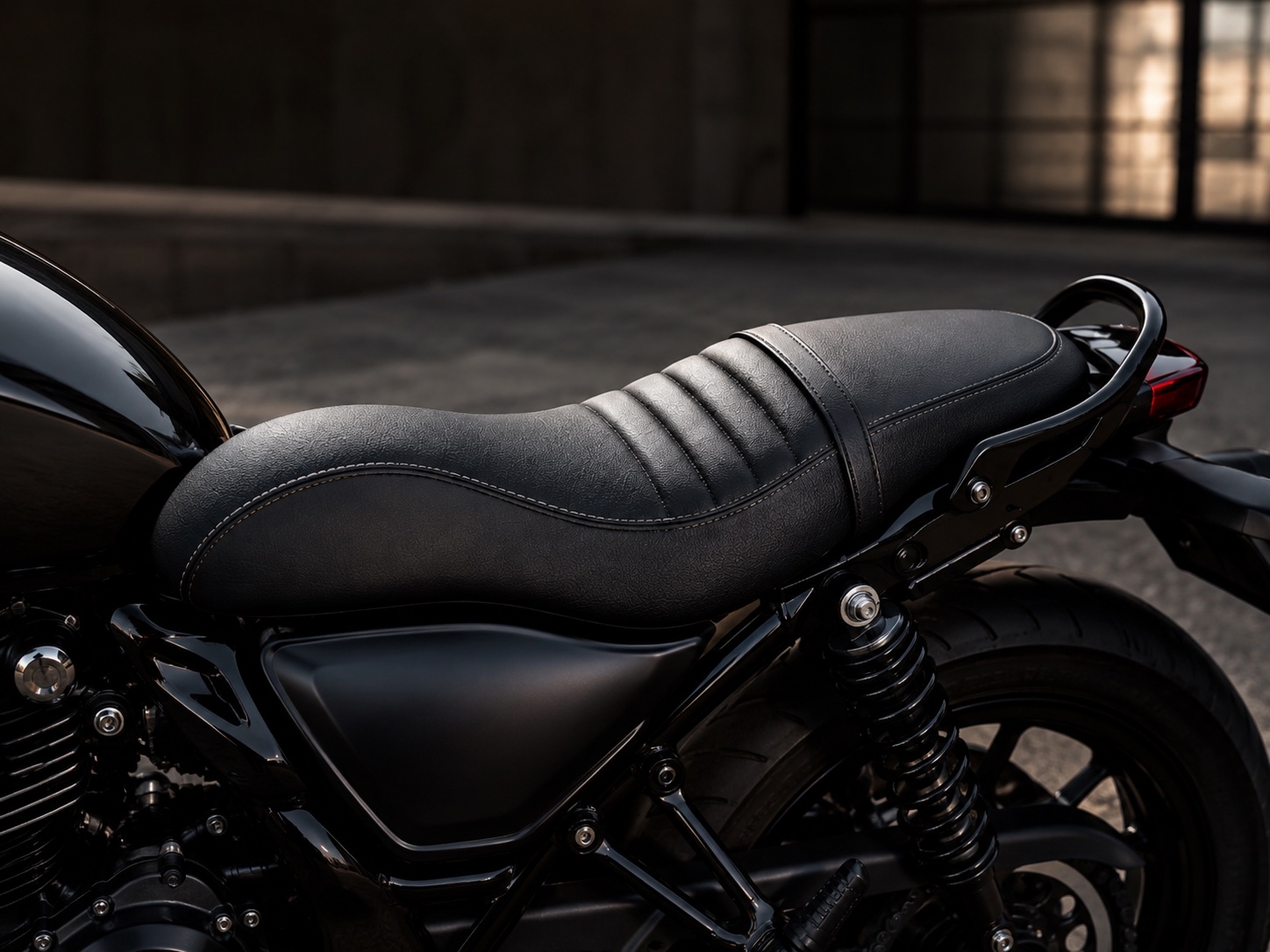
01
Motorcycle & E-bike Seats
Confirm: Abrasion, UV/weathering, backing movement and friction methods.
Material route: Semi PU / PVC / PU
Application-led material selection
There is no single best artificial leather for every application. Match the finished part, production process, service environment and verified test method.
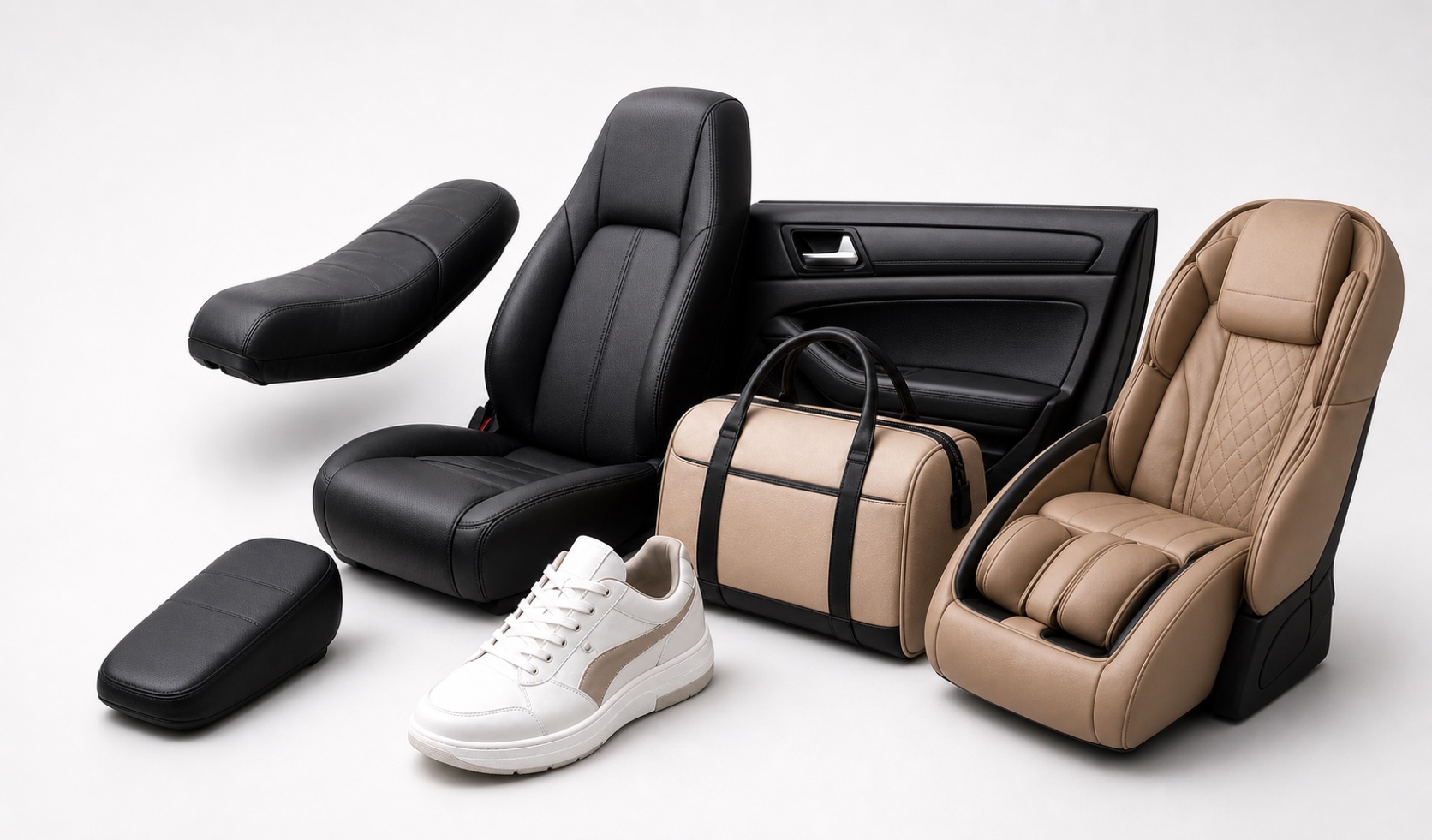
Start with the finished part


Application atlas
Different finished products need different material routes, backings and verification methods.
01
Confirm: Abrasion, UV/weathering, backing movement and friction methods.
Material route: Semi PU / PVC / PU
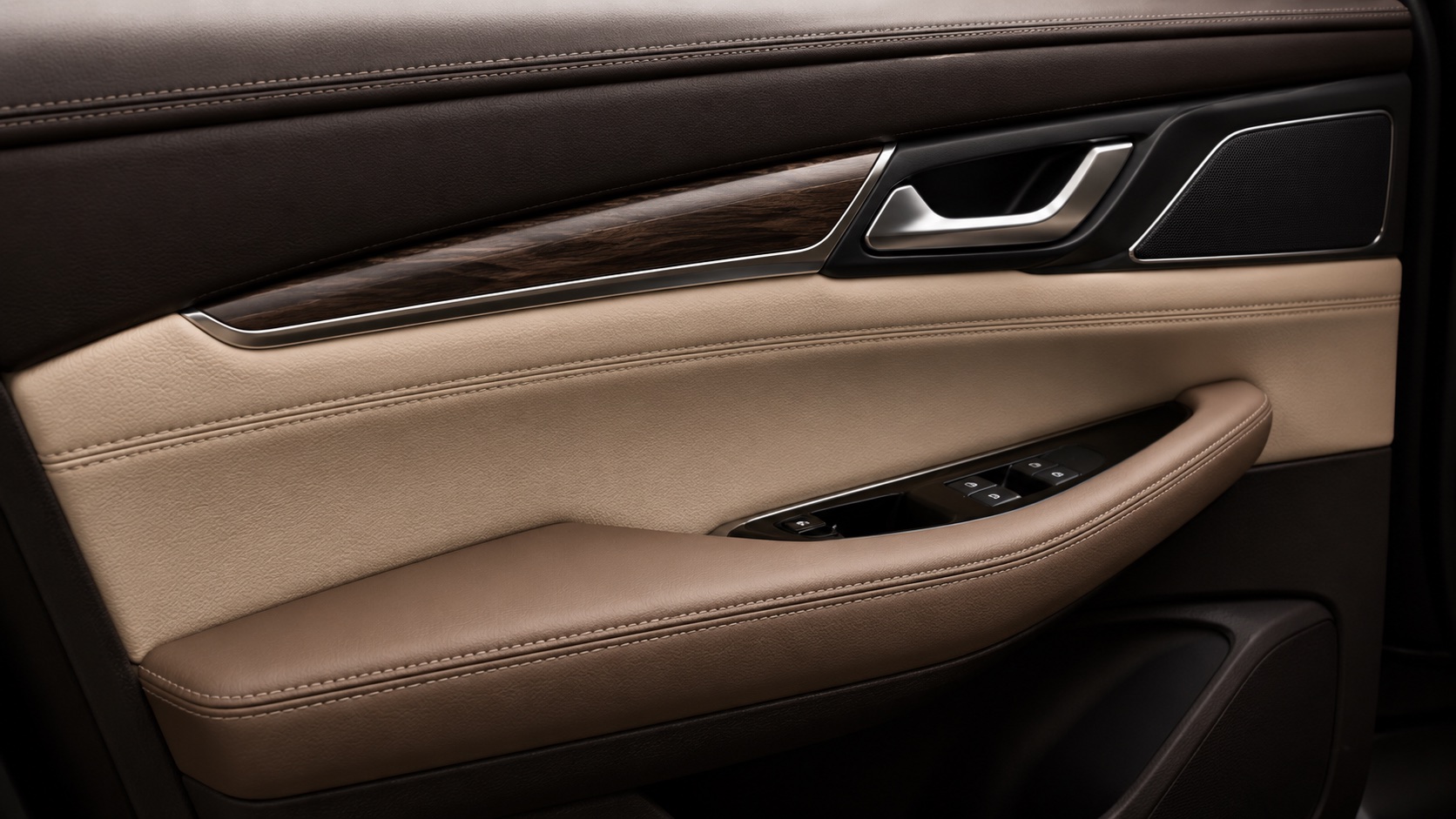
02
Confirm: Odor, flame, color and component-wear methods.
Material route: PU / Solvent-free
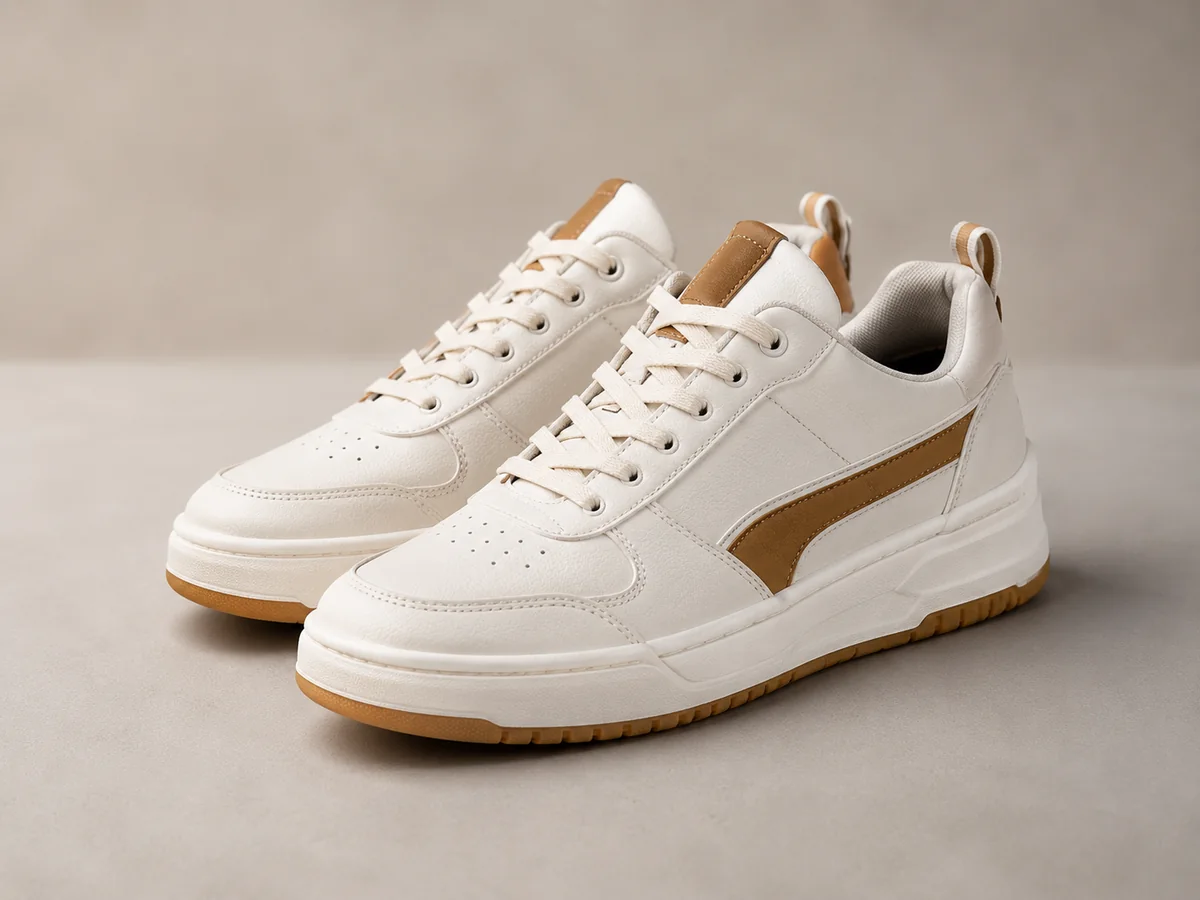
03
Confirm: Flex direction, hydrolysis method, bonding and peel target.
Material route: PU / Solvent-free
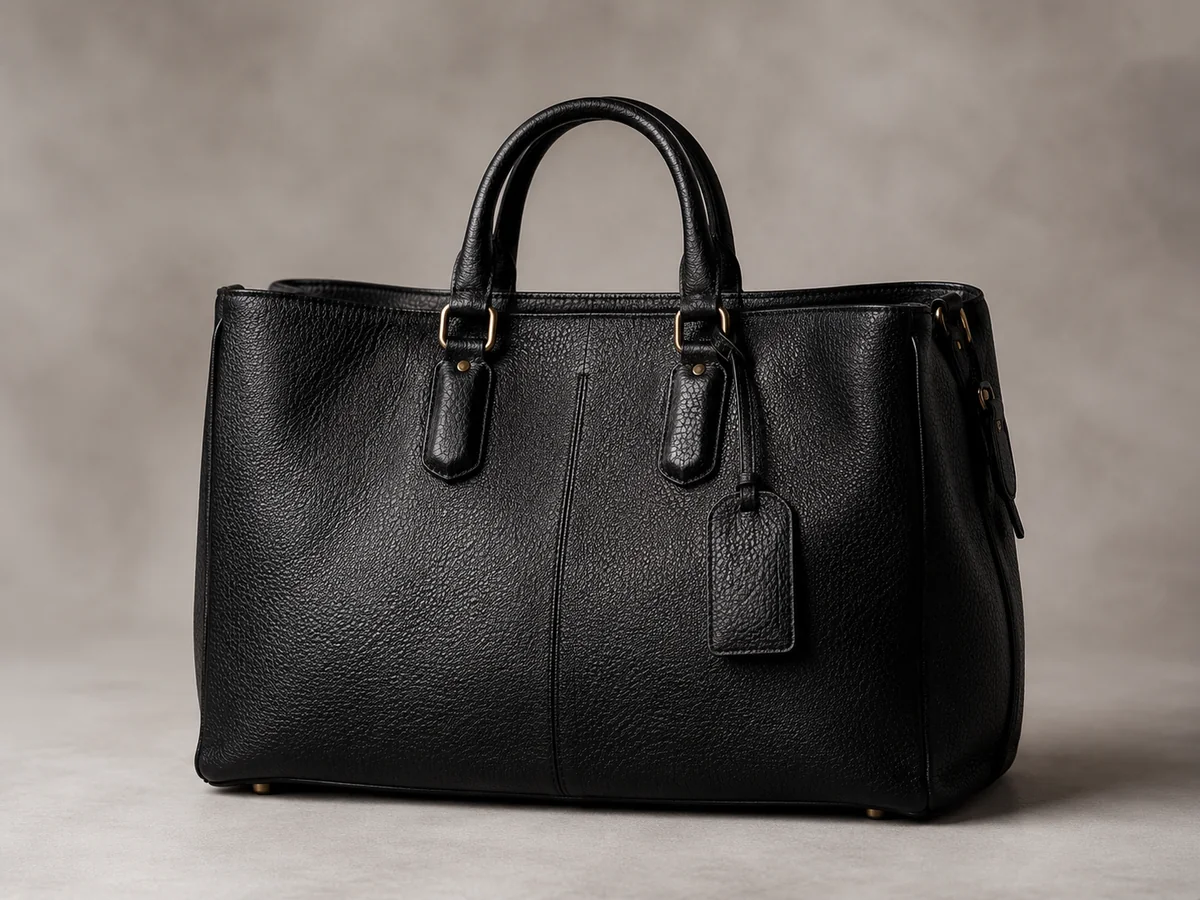
04
Confirm: Tear, fold, colorfastness and scratch methods by component.
Material route: PVC Calendered / PU
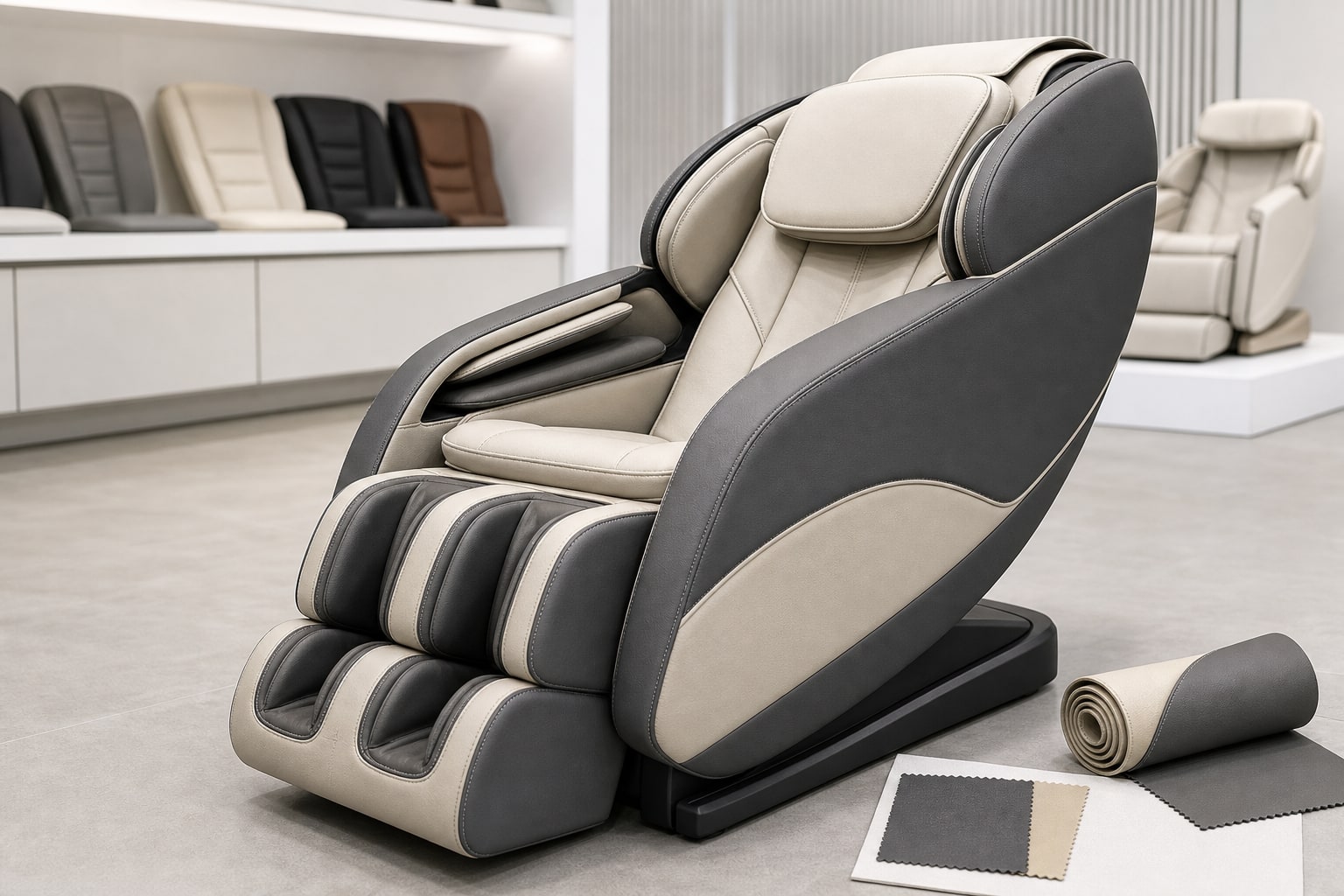
05
Confirm: Cleaning protocol, hydrolysis, flame and odor targets.
Material route: PU / Solvent-free
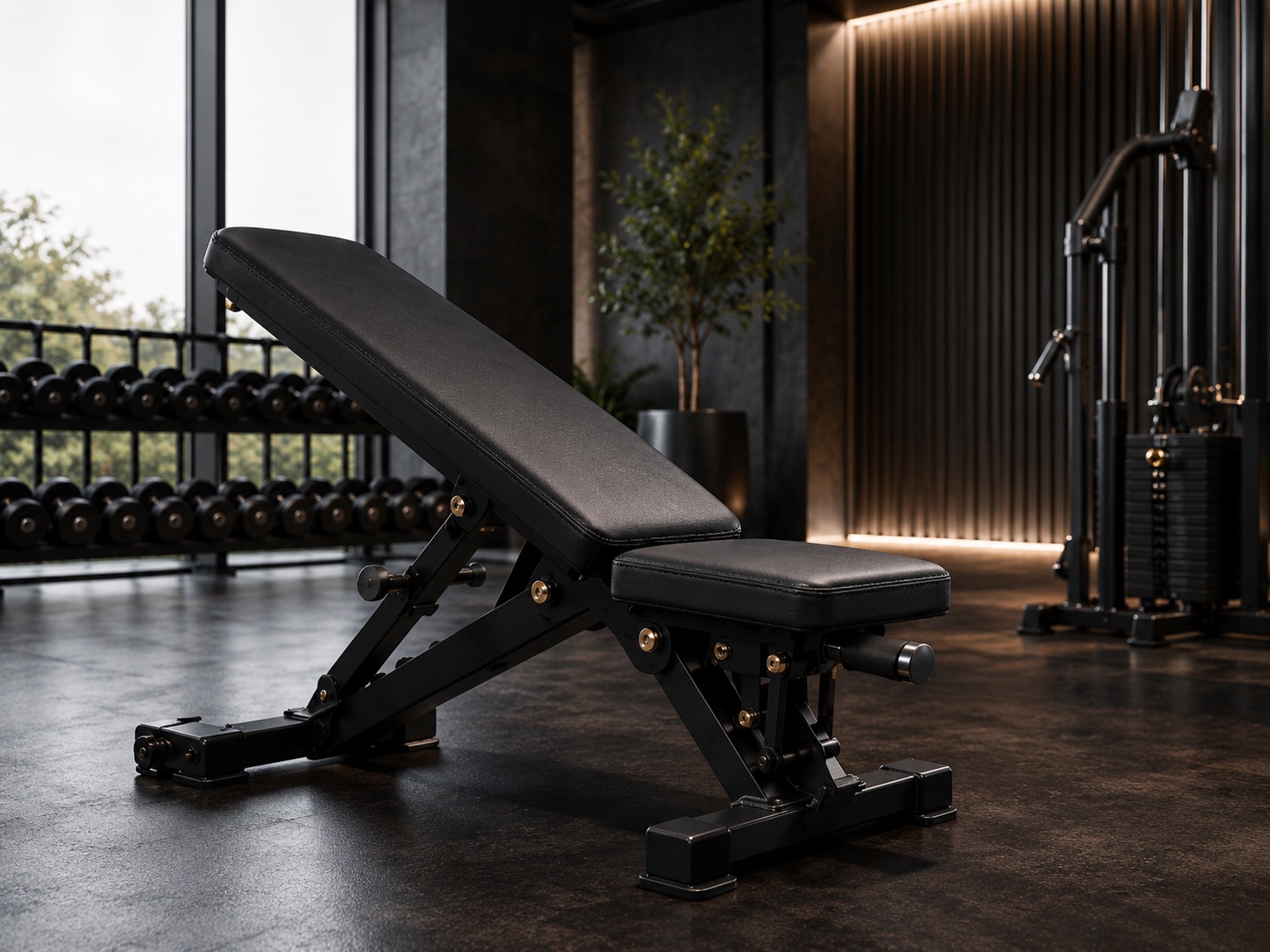
06
Confirm: Abrasion, sweat exposure, backing and cleaning methods.
Material route: Semi PU / PU
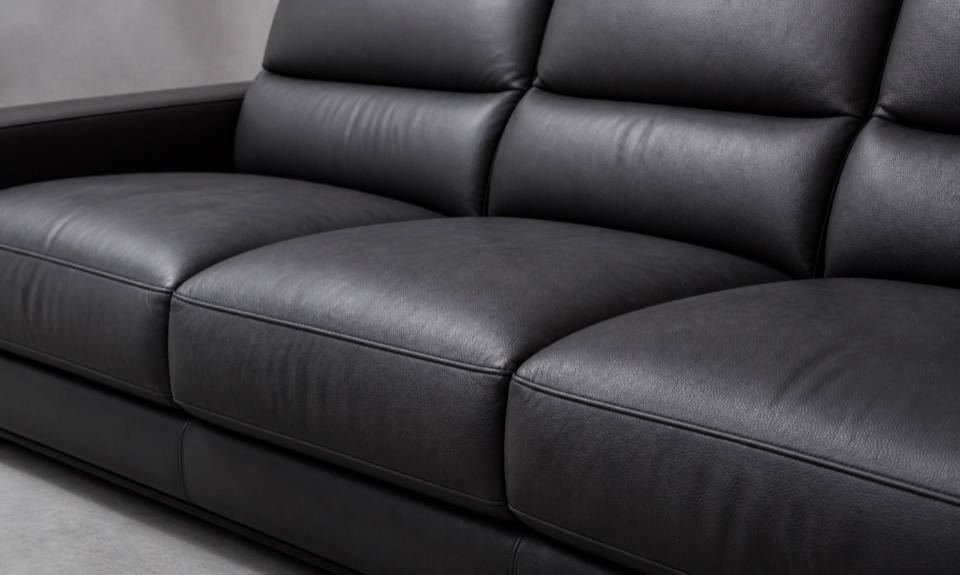
07
Confirm: Hand feel, color, abrasion, stain and seam targets.
Material route: PVC Calendered / PU
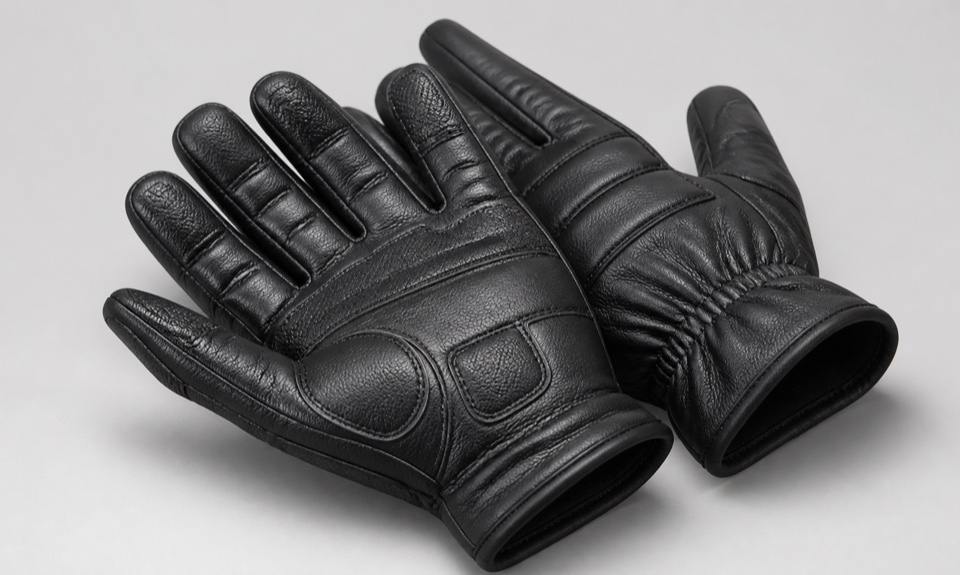
08
Confirm: Hand feel, friction, chemical exposure and wear methods.
Material route: PU / Solvent-free
Compare material routes
These are practical starting points. Final construction is confirmed against the finished part, process and test target.
| Route | Surface feel | Development focus | Starting applications | Typical backing |
|---|---|---|---|---|
| Semi PU | Soft, natural touch | Backing movement, surface feel and buyer-defined tests | Formed seats, fitness pads and upholstery components | Knit / Tricot |
| PVC Calendered | Firm, smooth | Dimensional direction, grain transfer and cost position | Bags, flatter saddle covers and upholstery components | Knit / Nonwoven |
| PU | Soft to medium | Base selection, hand feel, forming and target methods | Automotive trim, footwear and upholstery components | Knit / Tricot |
| Solvent-free / Silicone | System-specific | Exact polymer, backing, odor and target methods | Interiors, precision trim and wellness equipment | Knit / Microfiber |
Feel: Soft, natural touch.
Development focus: Backing movement, surface feel and buyer-defined tests.
Starting applications: Formed seats, fitness pads and upholstery components.
Typical backing: Knit / Tricot.
Feel: Firm and smooth.
Development focus: Dimensional direction, grain transfer and cost position.
Starting applications: Bags, flatter saddle covers and upholstery components.
Typical backing: Knit / Nonwoven.
Feel: Soft to medium.
Development focus: Base selection, hand feel, forming and target methods.
Starting applications: Automotive trim, footwear and upholstery components.
Typical backing: Knit / Tricot.
Feel: System-specific.
Development focus: Exact polymer, backing, odor and target methods.
Starting applications: Interiors, precision trim and wellness equipment.
Typical backing: Knit / Microfiber.
Before sampling
Provide the actual part or detailed photos.Share the failure modes or pain points.List must-have tests and standards.Include target price and annual volume.Common questions
Start with the finished part, process, service environment and required test method. Then compare Semi PU, PVC calendered, PU and solvent-free or silicone constructions before selecting grain, color and handfeel.
Yes. ROYI can develop backing, thickness, stretch direction, grain, embossing and surface finish around the finished product and factory process.
Yes. Send a physical color reference, approved swatch or clear product reference. Final matching is confirmed by sample because screen colors are not reliable production standards.
There is no single universal test package. We confirm the applicable ISO, ASTM, EN, customer or finished-product method before development and report the agreed conditions with the result.
Provide the finished product, material route if known, thickness, backing, grain, color, must-pass tests, target price, sample quantity and estimated annual volume.
Timing is confirmed after the construction, color-matching scope, embossing, backing and required tests are clear. A complete application brief avoids preventable sample revisions.
Application engineering support
Send your application brief. Our engineers will review the part, process and performance target before recommending the right construction and next steps.