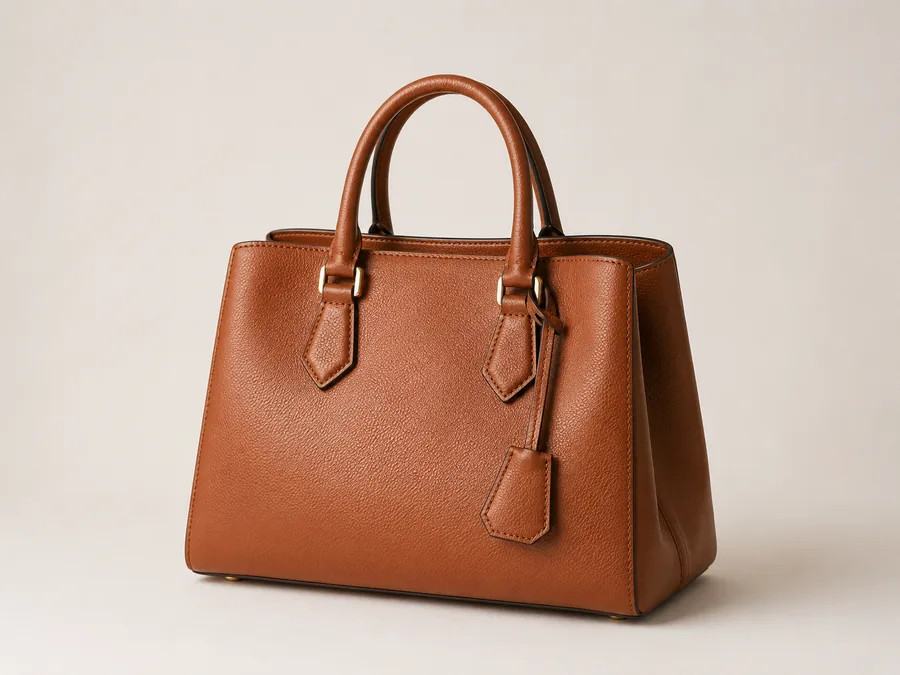
Handbag
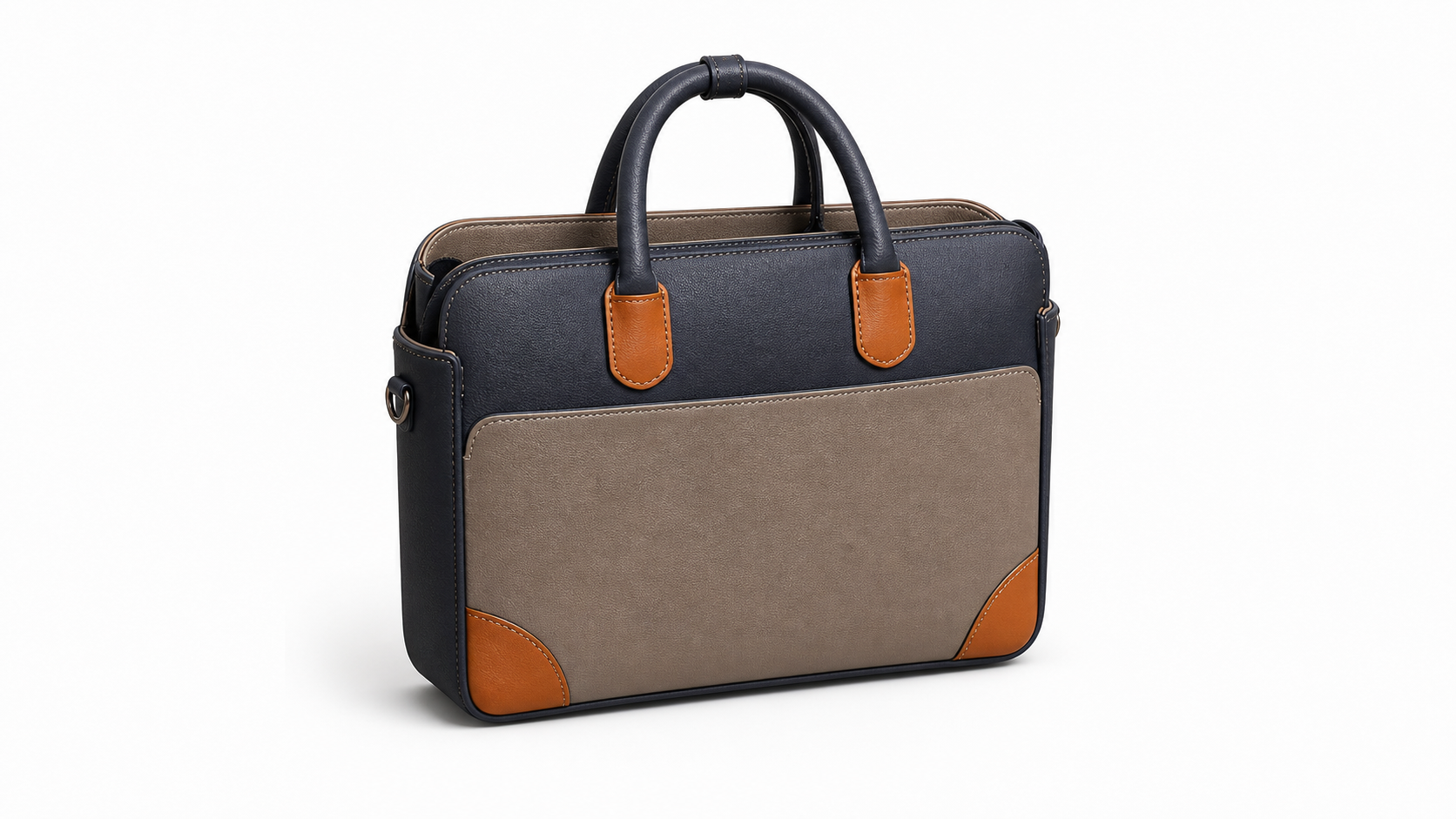
Shape, touch and trim.
Bag & luggage material development
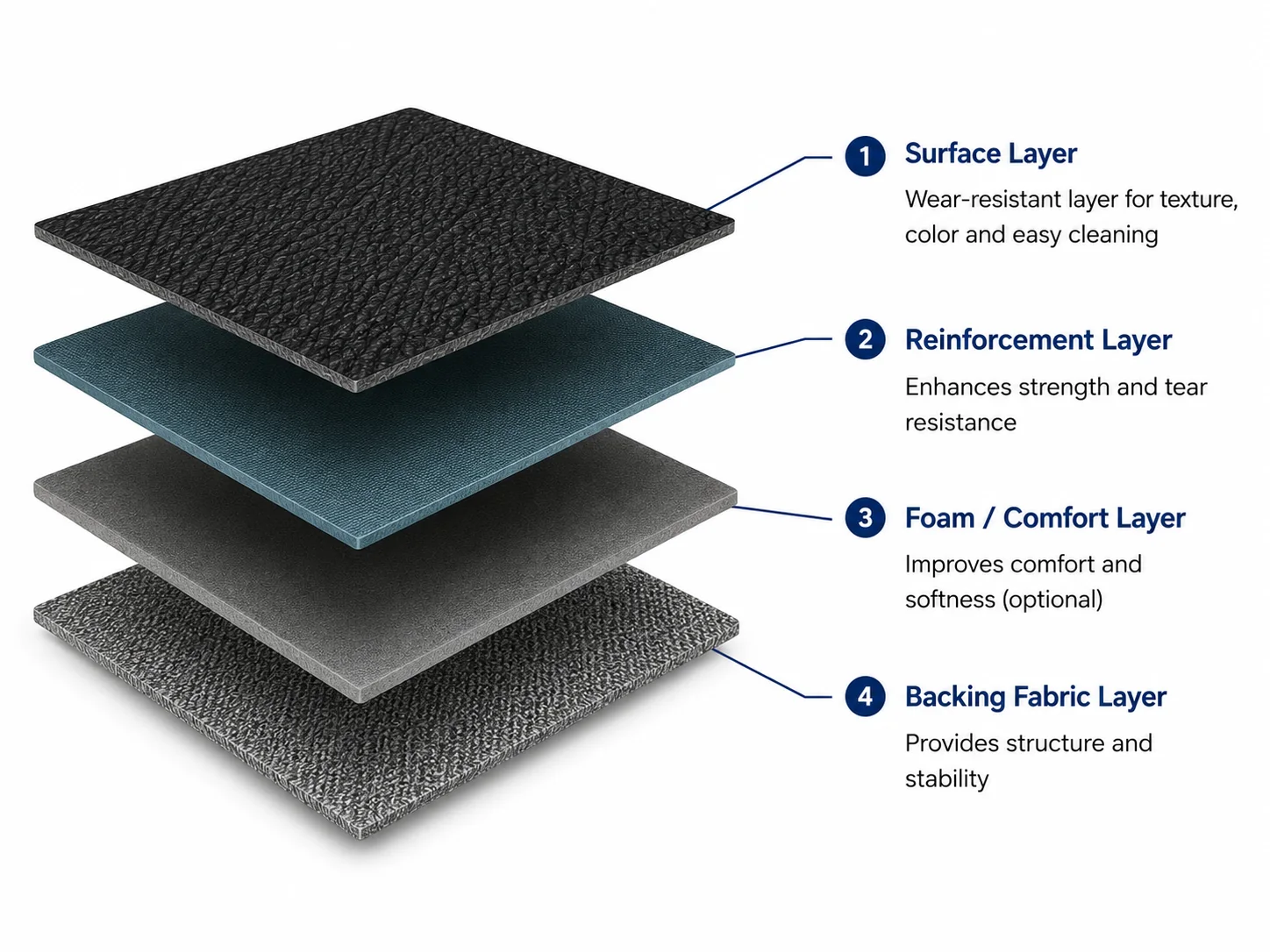
The surface, backing and assembly route must work as one construction.
ROYI develops candidate synthetic leather constructions from the actual component, movement and process brief.
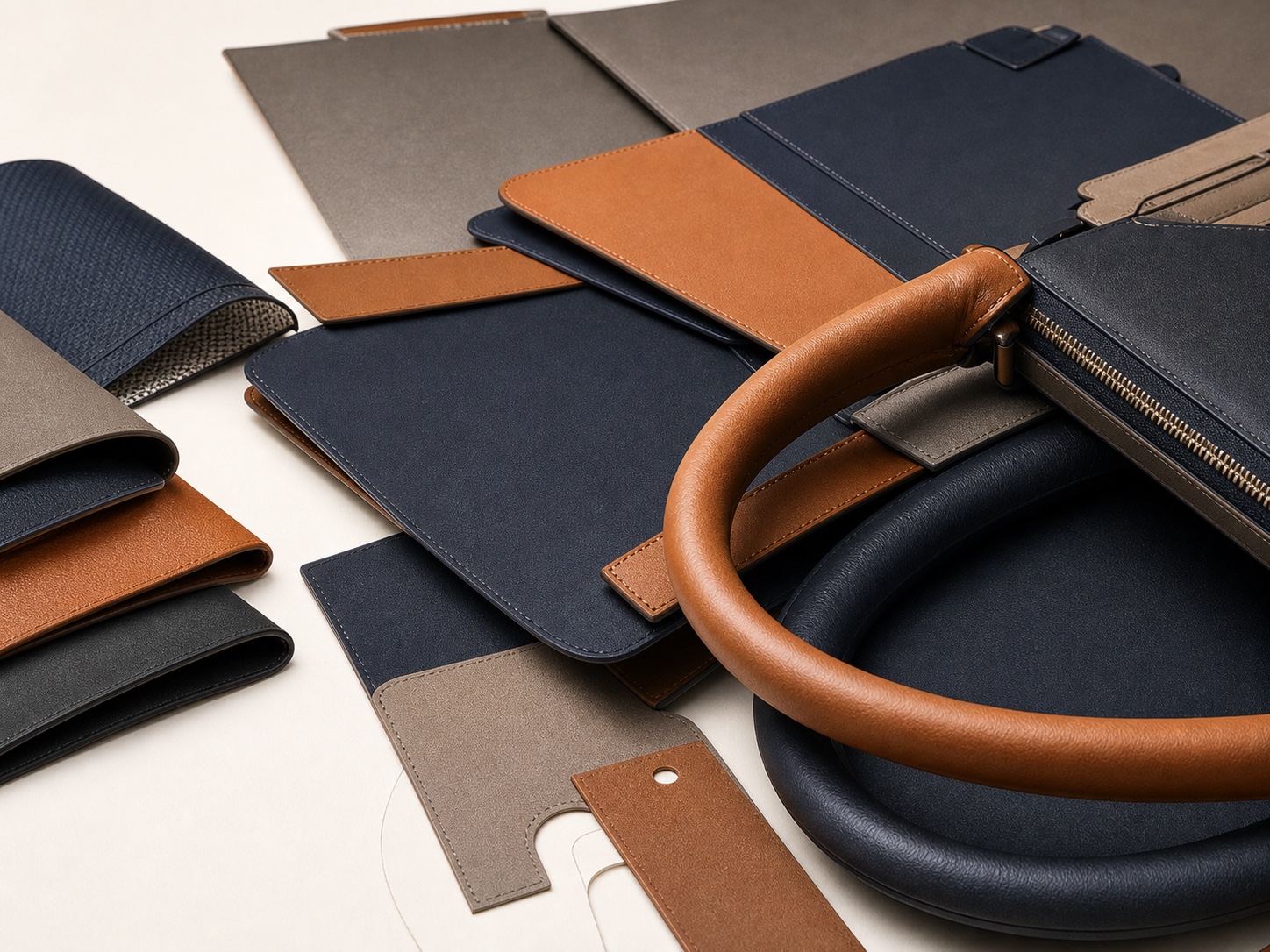
Finished product
Shape, touch and trim.
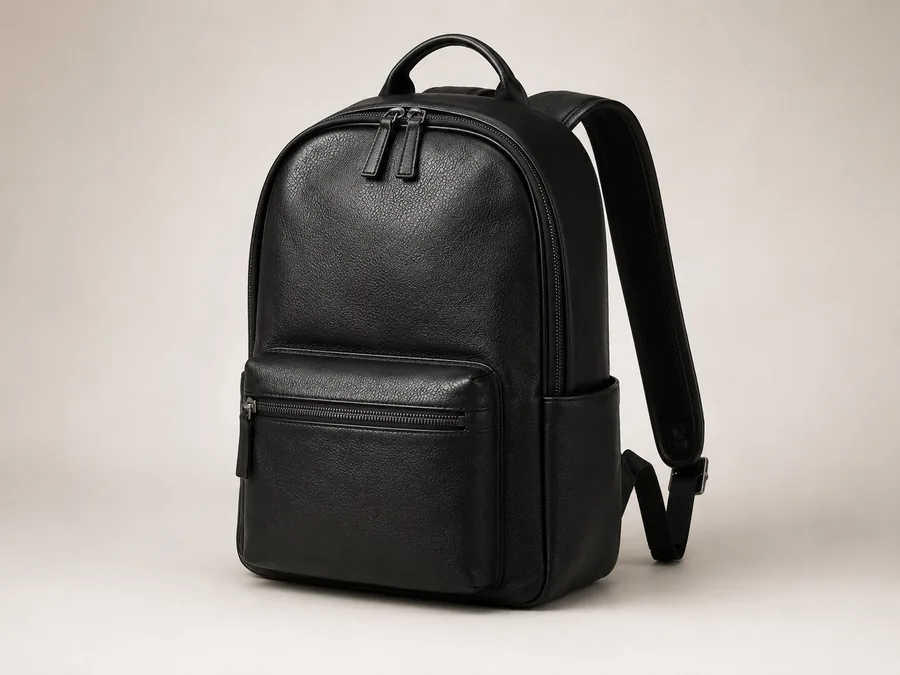
Flex, straps and repeated movement.
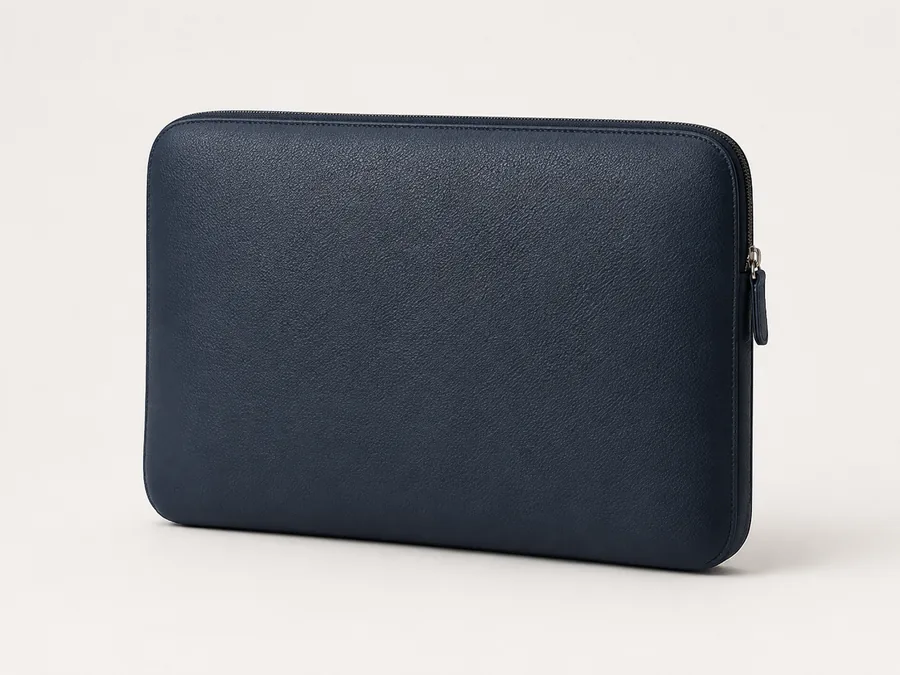
Panel structure and edge definition.
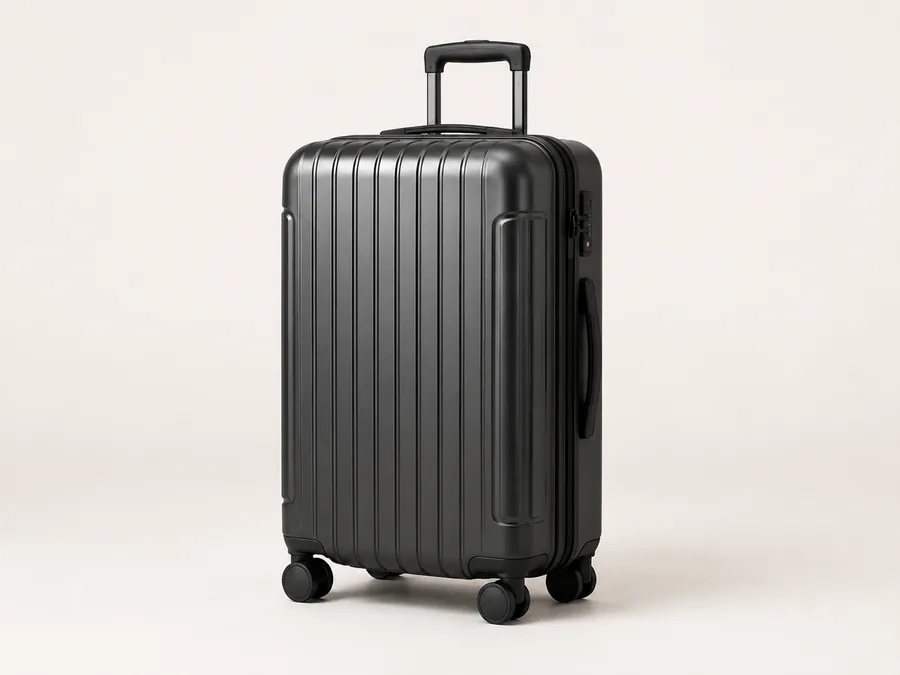
Impact zones and dimensional stability.
Component load path
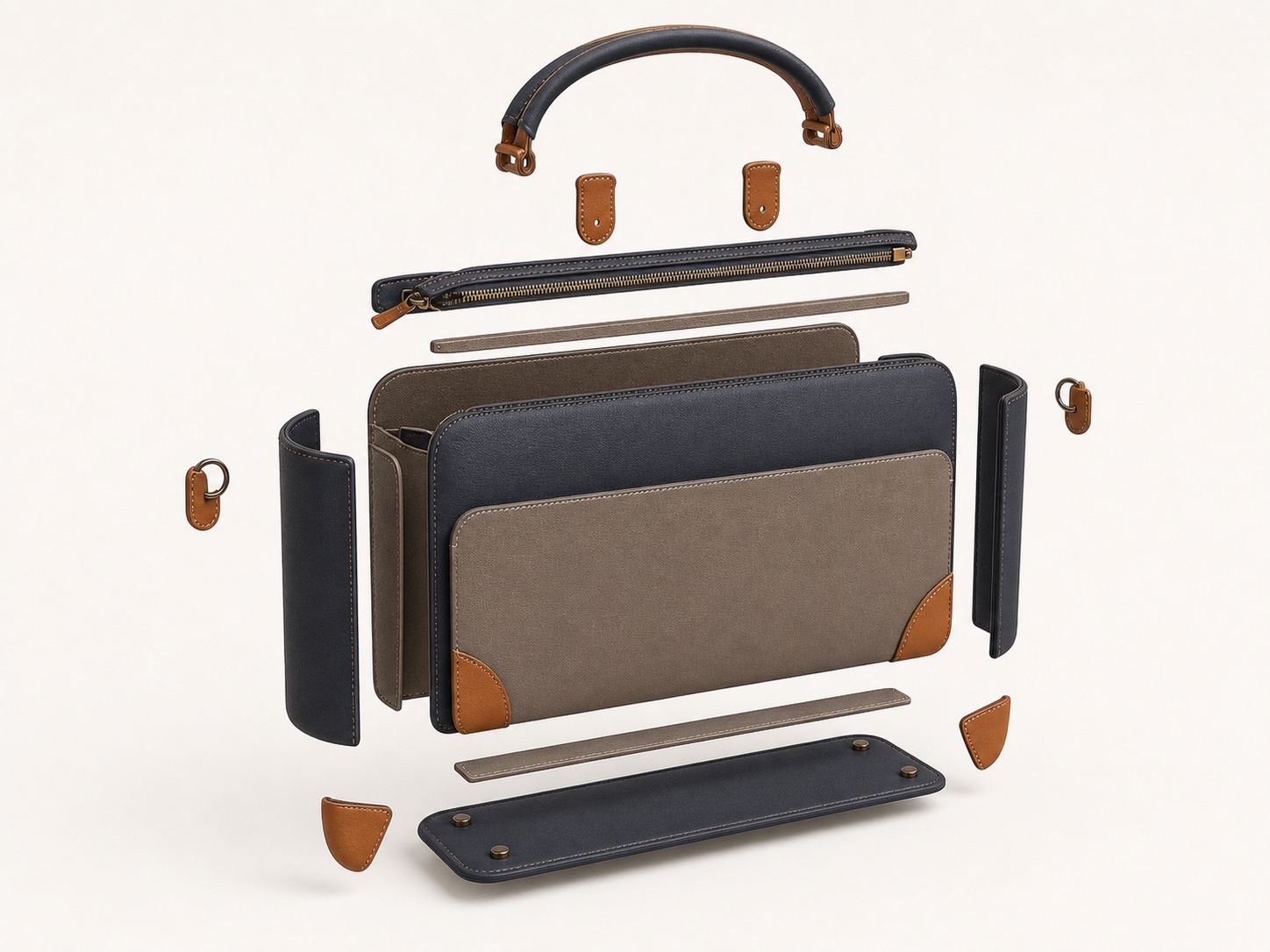
Carry and lift; repeated concentrated load.
Open, close and finish high-contact edges.
Shape the bag and carry broad loads.
Expand capacity and flex at folds.
Transfer pull through tabs, seams and reinforcement.
Receive impact, contact and standing loads.
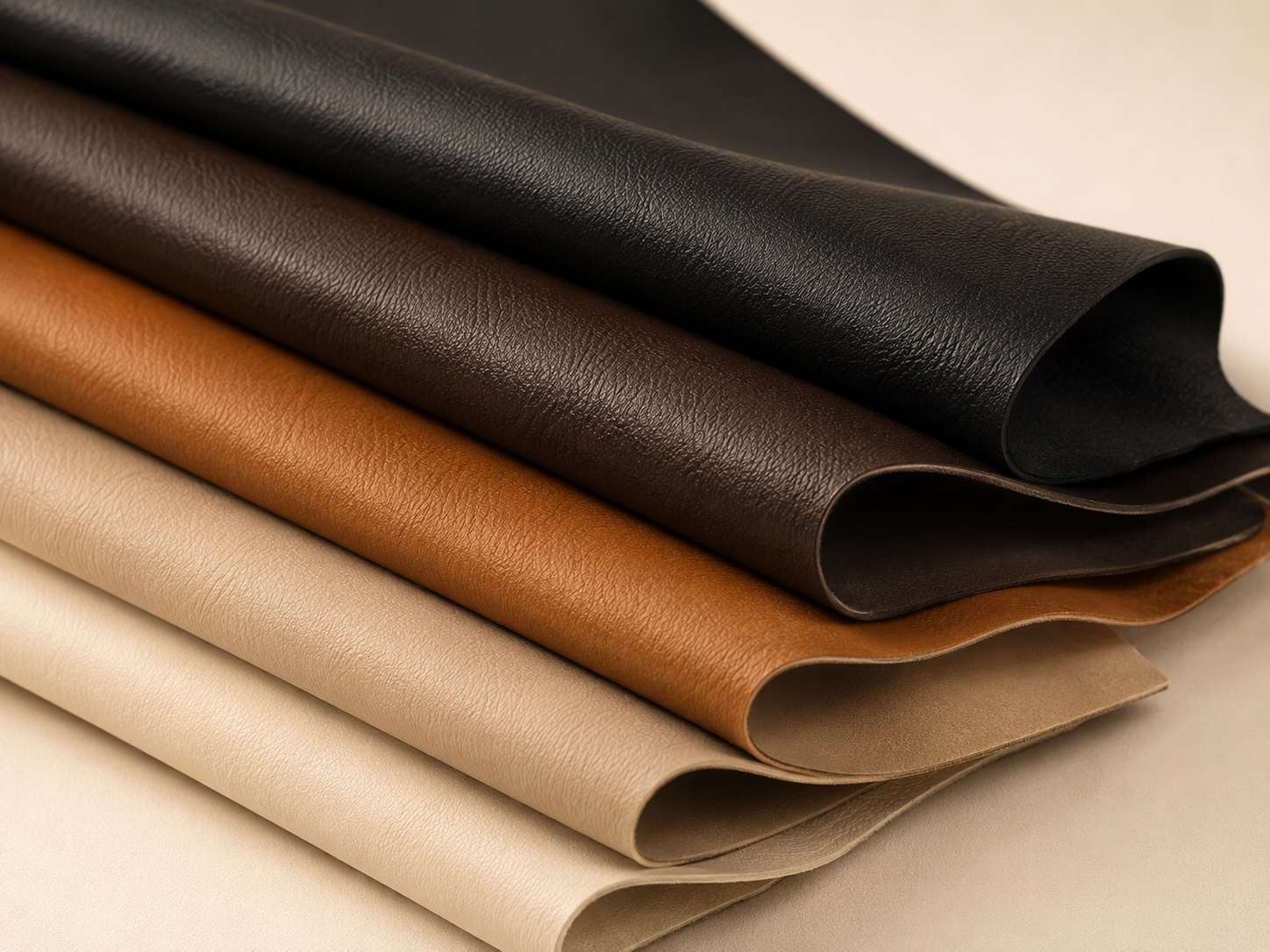
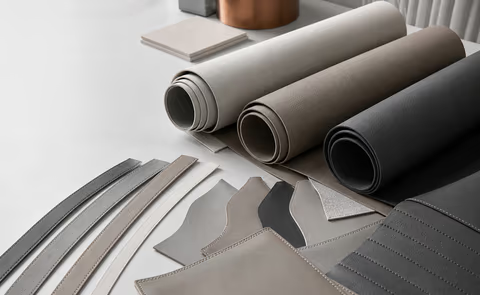
Material construction
Face appearance, backing type and total construction are starting points. Final selection follows the component, movement and assembly route.
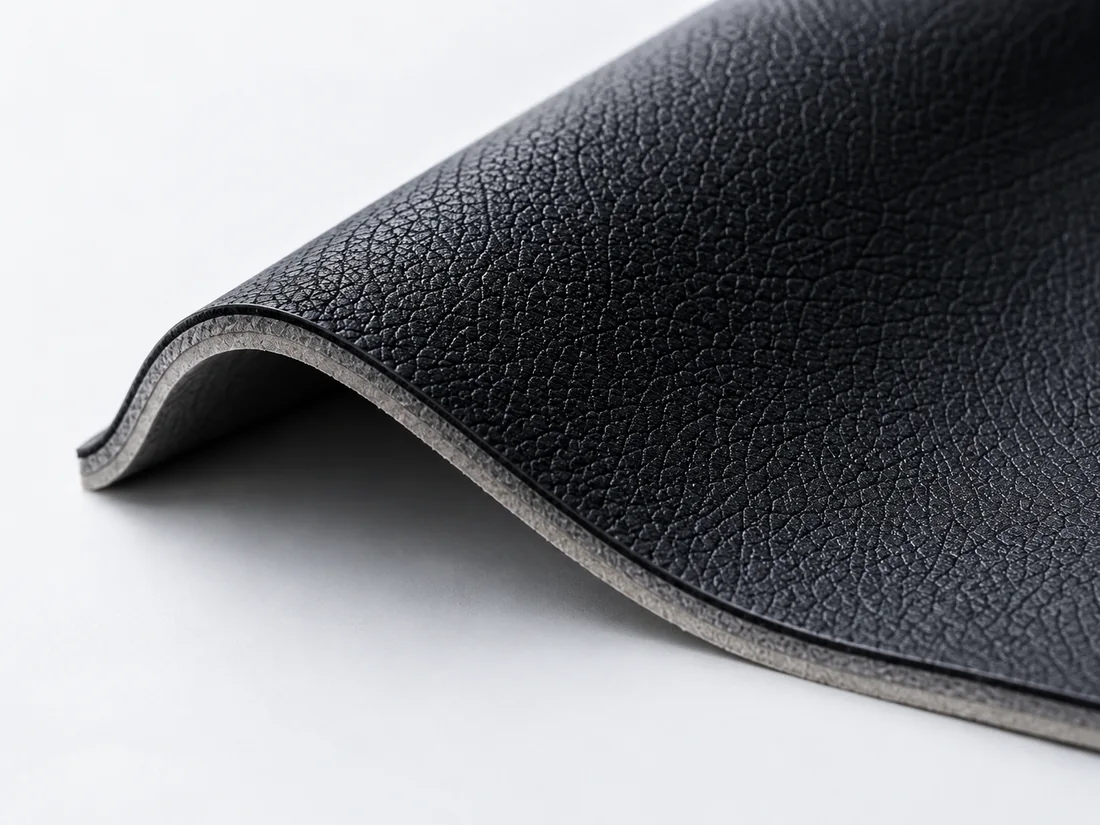
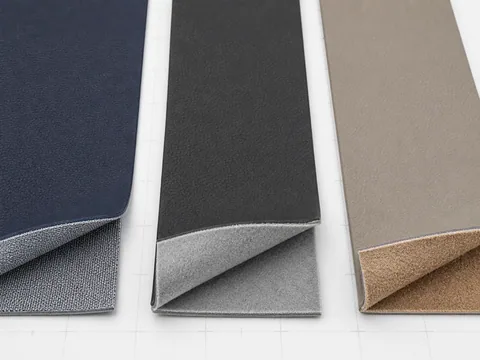
Mainstream bags where appearance, structure and cost must be balanced.
Confirm layer structure, backing, folding and adhesion.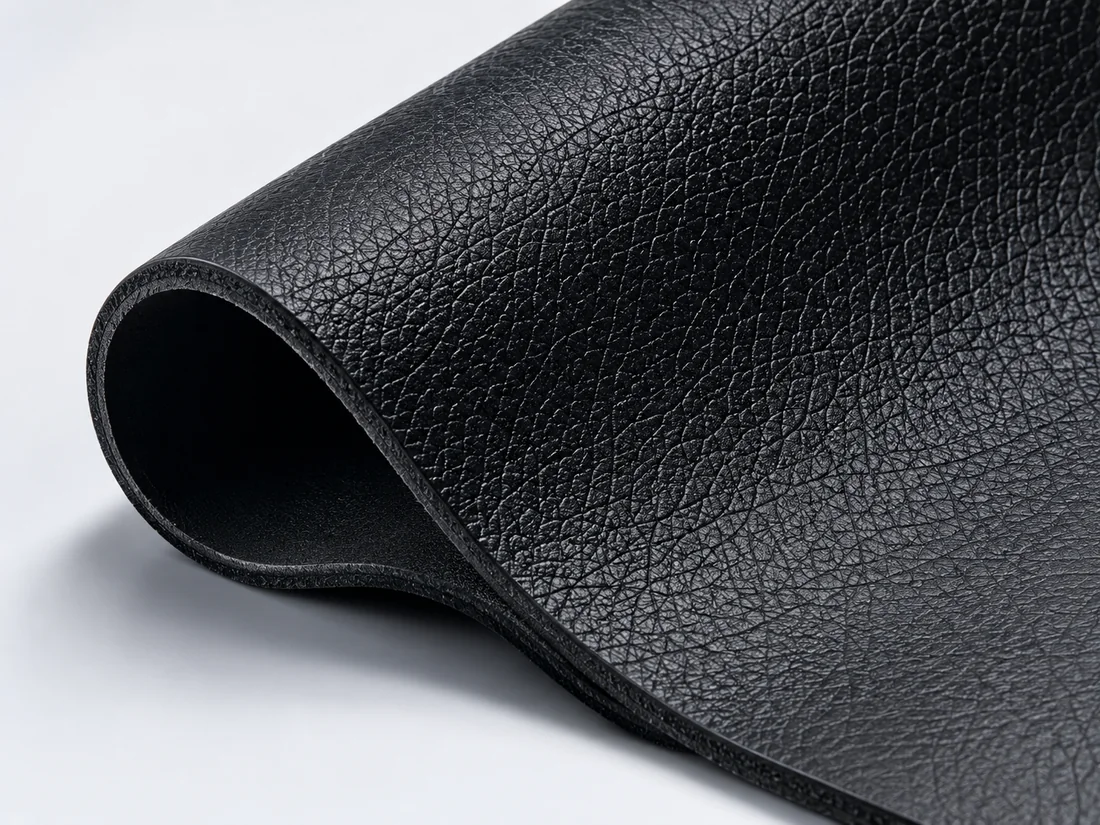
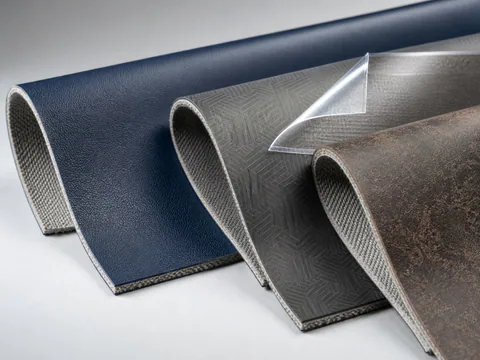
Structured or lower-stretch luggage, cases, bases and trim.
Confirm weight, cold bend, migration, odour and market RSL.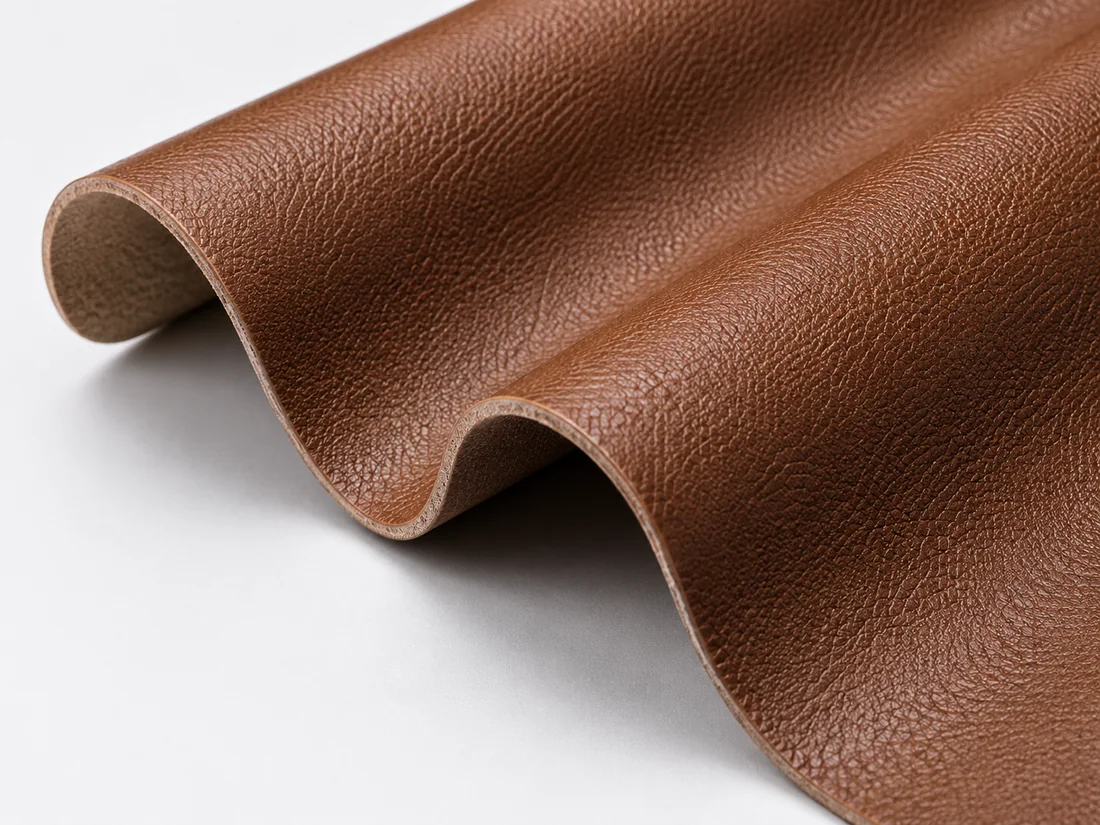
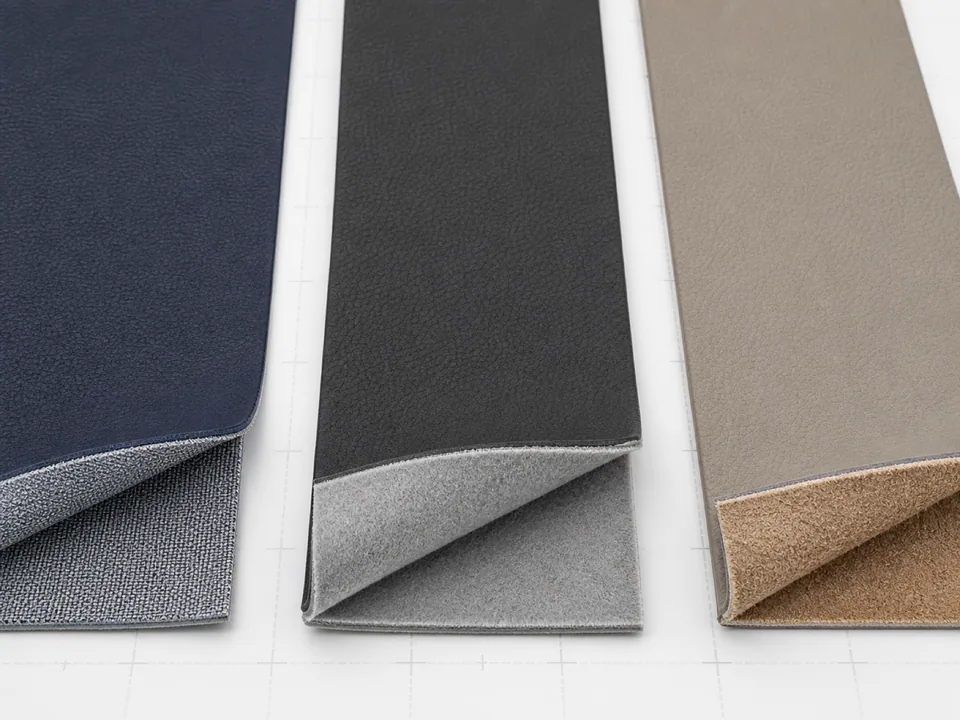
Soft-touch gussets, folds and flexible fashion components.
Confirm hydrolysis plan, flex, seam, edge and adhesion.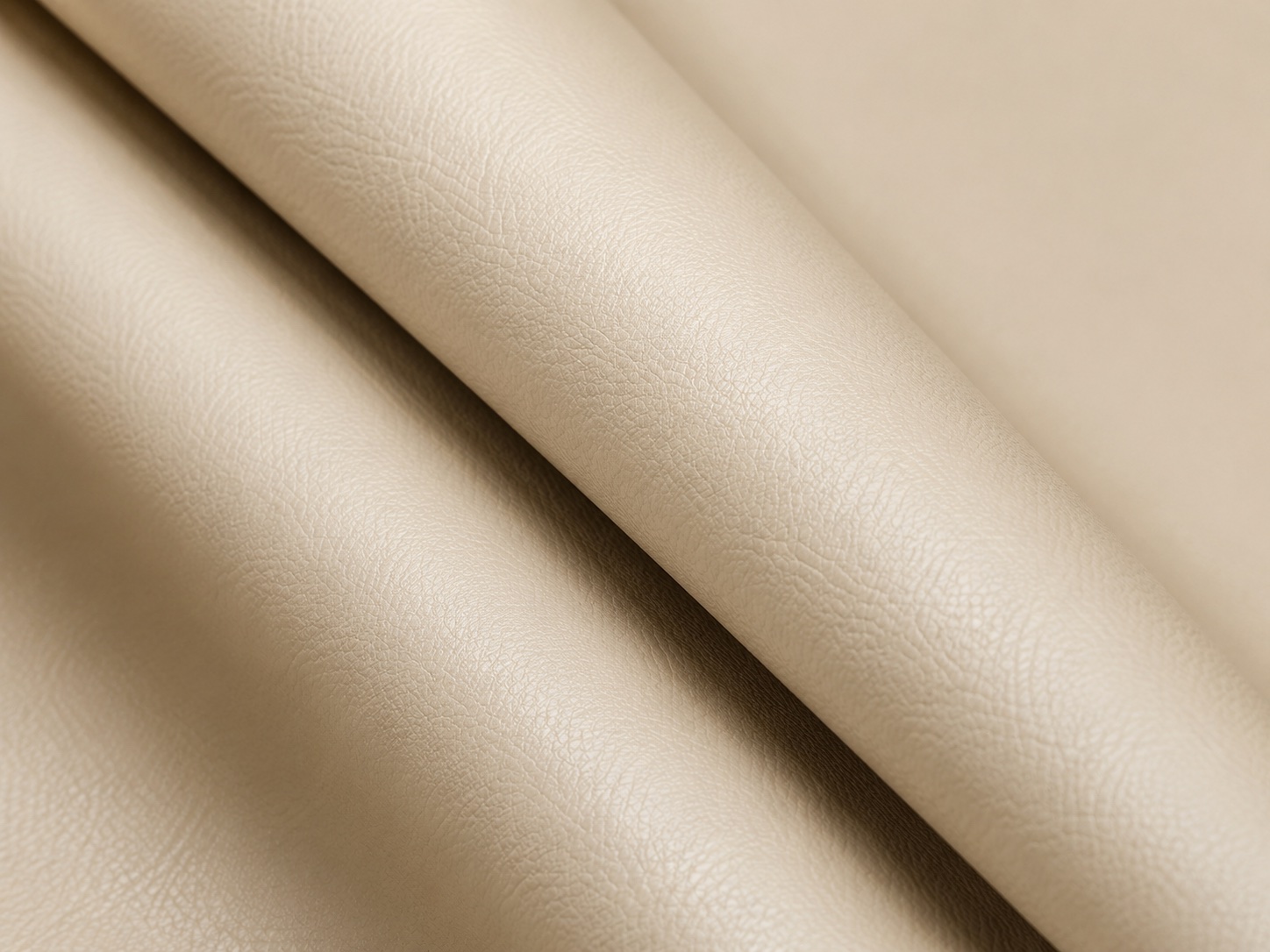
Premium touch or higher-stress parts where cost is secondary.
Confirm tear, skiving, folding and lot consistency.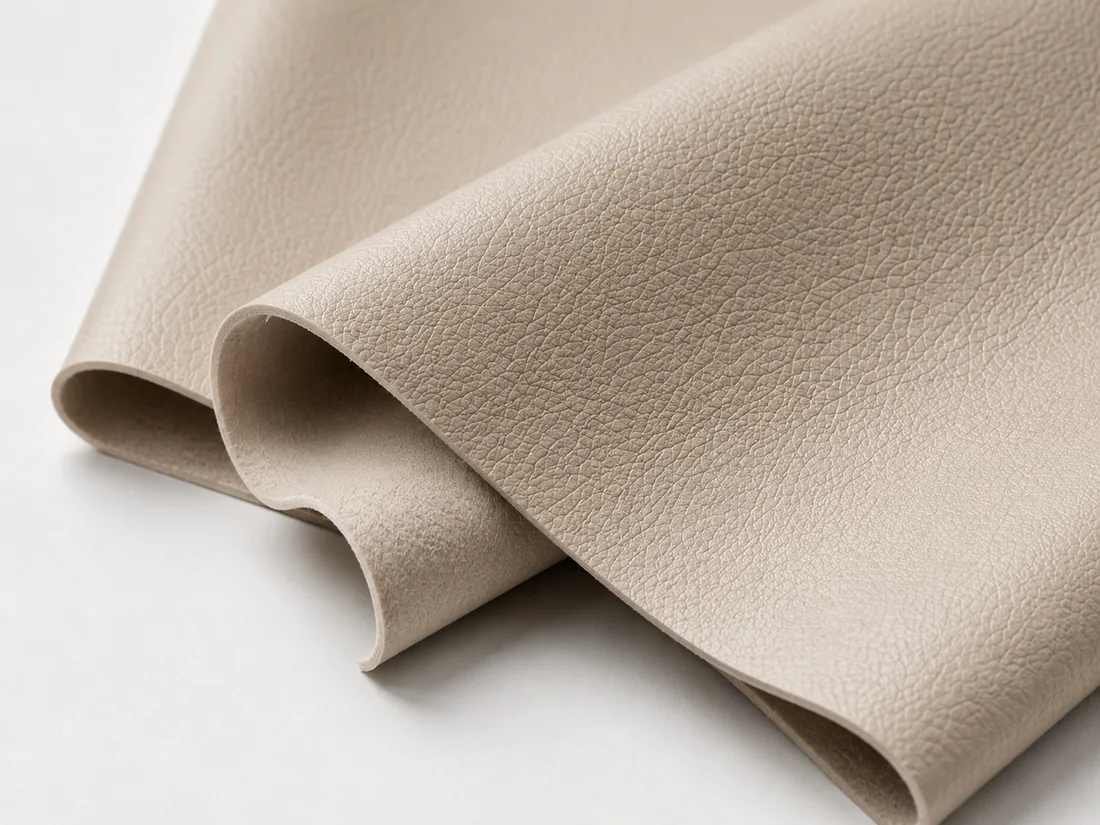
Projects with specifically defined chemistry, touch or cleanability goals.
Confirm chemistry declaration, assembly compatibility and cost.Movement
Body panels and wide spans.
Gussets, folds and closure zones.
Handles, tabs and hardware points.
Base, corners and standing surfaces.
Bottom, piping and exposed edges.
Front, back and frequently handled panels.
Assembly route
Validation plan

Method, load and endpoint.

Direction, specimen and conditioning.

Initiation or propagation method.

Layers and failure mode.

Direction and appearance endpoint.

Dry, wet and contact criteria.

Conditioning and bend criteria.
Exposure and evaluation method.

Market and customer requirements.
These are validation planning options, not universal product results, approvals or certifications. Test method, construction, conditioning and acceptance criteria must be confirmed per project.
Supplier decision
Compare several suppliers using the same component brief, sample construction and evidence request.
Surface, thickness, mass, backing, reinforcement and direction.

A recommendation tied to the actual part and load path.

Method, specimen, conditions, endpoint, date and source.
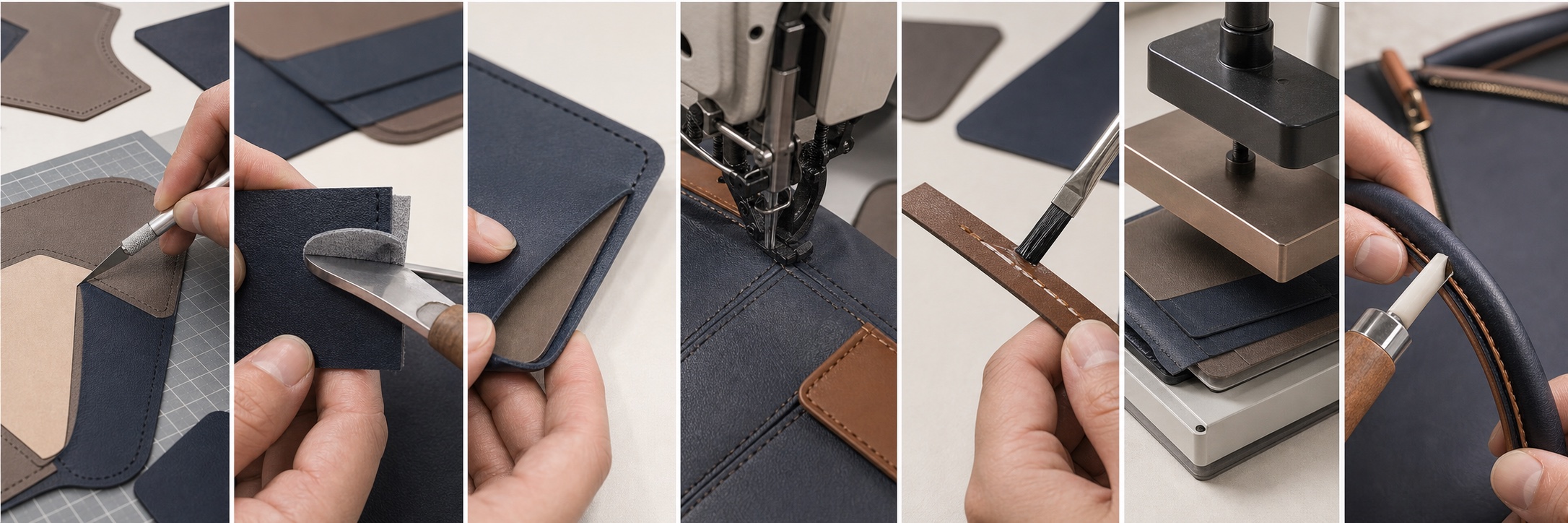
Cutting, skiving, folding, sewing, bonding and finishing.
Buyer RSL and destination-market documentation.

Appearance, hand feel and construction reference.
Batch identification, tolerance and change confirmation.
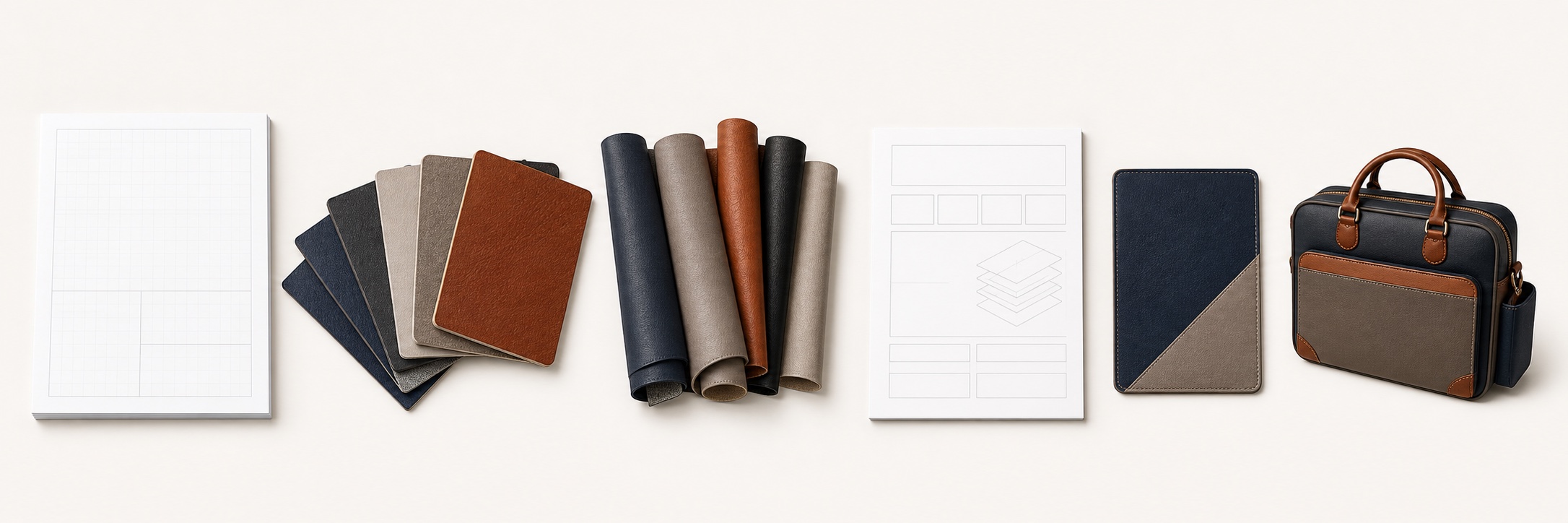
What ROYI prepares
Contents are agreed by project; illustrative sheets below are not test reports.
FAQ
There is no universal best. Start with the finished bag, component, desired structure, movement and assembly route, then confirm the candidate through samples and an agreed validation plan.
PU can be a useful starting point for softer and repeatedly folded components. PVC calendered leather can be a useful starting point for structured or lower-stretch panels. Both require project-specific confirmation.
The surface label alone does not answer this. Define load direction, base cloth, thickness, reinforcement, seam geometry and the assembled component test.
The buyer should select methods and criteria based on the component and market. Common planning areas include abrasion, tensile, tear, coating adhesion, flex, rubbing, low temperature, water exposure and the buyer's RSL.
Send the same component brief to several suppliers and compare the complete specification, traceable evidence, process trials, market documents, approval sample, lot control and commercial terms.
Sometimes, but it should not be assumed. A body panel, gusset, handle tab and base can experience different movement and load, so one bag may need more than one approved construction.
Talk to ROYI

